Commercial Heat and UV Roof Damage Repair in Roswell, GA
A roof that has baked through several summers can lose flexibility before it leaks. Surface chalking, exposed reinforcement, brittle flashing or shrinking membrane edges deserve a closer look, but none alone determines the repair scope. We compare the affected area with protected sections, note system age and visible layer changes, and map where deterioration is concentrated. The result gives the owner a practical starting point for repair or renewal planning.
Roswell's commercial inventory includes offices, healthcare, civic facilities and light industrial buildings along GA 400 and Holcomb Bridge Road. Exposure varies with roof height, shade, orientation, rooftop equipment and nearby structures. A commercial roof review in Roswell records those property conditions instead of treating every roof as equally exposed.
Distinguish wear from a current failure
Ultraviolet exposure can dry coatings, fade surface color and gradually affect polymer flexibility. High roof temperatures can accelerate movement at seams, laps and penetrations. We inspect for cracking, alligatoring, exposed scrim, shrinkage, open laps and fastener stress. The report notes where the condition appears and whether it has created a water path. Surface aging without a breach may call for monitoring or planned renewal rather than emergency patching.
Different assemblies age in different ways. Single-ply membranes can become less pliable or pull away at details. Modified bitumen and built-up roofs may show surface cracking, granular loss or exposed reinforcement. Coatings can thin at high points and around ponded areas. A silicone coating evaluation first identifies the existing coating and substrate condition; a new layer is not appropriate over every aged surface.
Metal roofing may show coating breakdown, sealant failure, corrosion or movement around exposed fasteners. We distinguish those conditions from panel damage and review where water could pass. Standing-seam panels use concealed clips, so their arrangement should be confirmed before repair detailing.
Compare roof zones before choosing a remedy
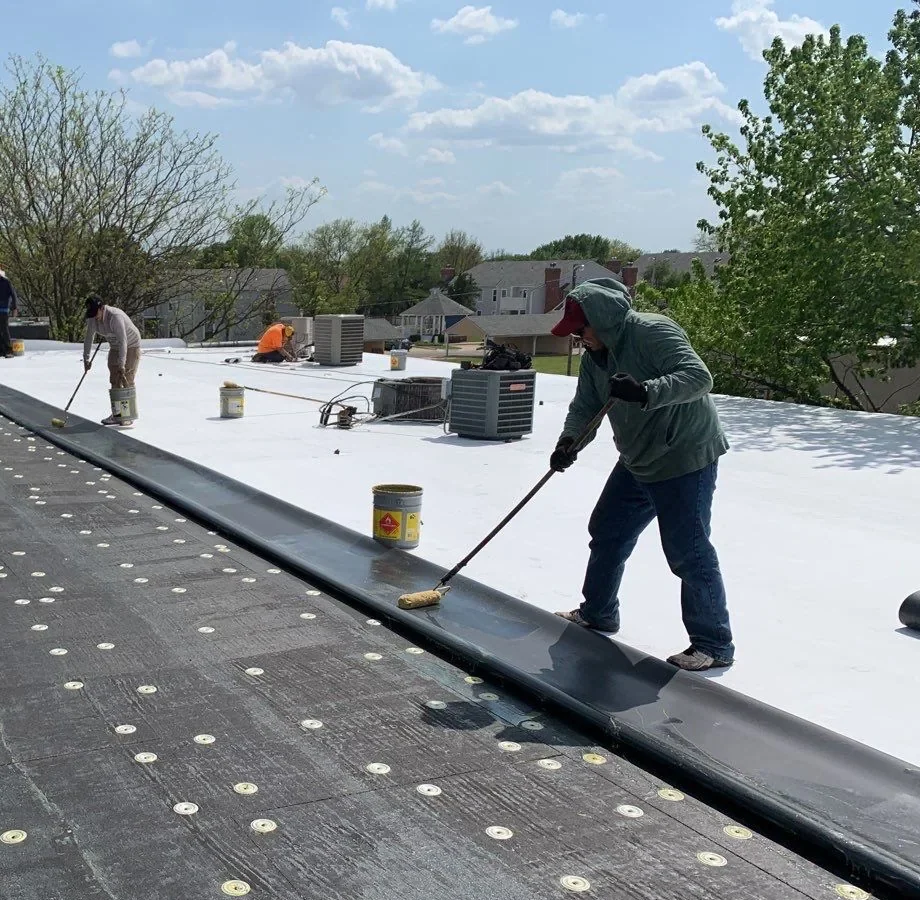
Sun exposure changes across a roof. South- and west-facing sections, low-slope fields, equipment shadows and areas beside taller walls may weather differently. We divide the surface into zones and record the membrane, coating, edge and flashing conditions in each. That makes it possible to target work where deterioration is established instead of extrapolating one distressed detail across the entire building.
Atlanta's 1991-2020 climate normals show hot, humid summers with a July normal high near 90°F, along with frequent warm-season rainfall. Heat exposure and water exposure can compound at drains, low areas and seams. We note ponding, debris retention and outlet condition alongside surface aging, then separate drainage recommendations from material replacement. The ponding-water assessment addresses low areas that remain wet after rain.
For roofs with a recent leak, stain location may not match the most weathered section. Water can travel beneath the surface. We look at penetrations, edge terminations, transitions and nearby repairs before identifying a likely path. A leak investigation can address active entry while this assessment describes the broader heat-related condition.
Use repair only where surrounding material supports it
A spot repair can work when the affected material is limited and the surrounding surface remains stable, clean and compatible. We identify the preparation needed, patch dimensions and tie-in detail. If the membrane is brittle across a wider field, a small patch may transfer stress to the next weak point. Our recommendation states whether local repair offers a reasonable service interval or whether broader work deserves pricing.
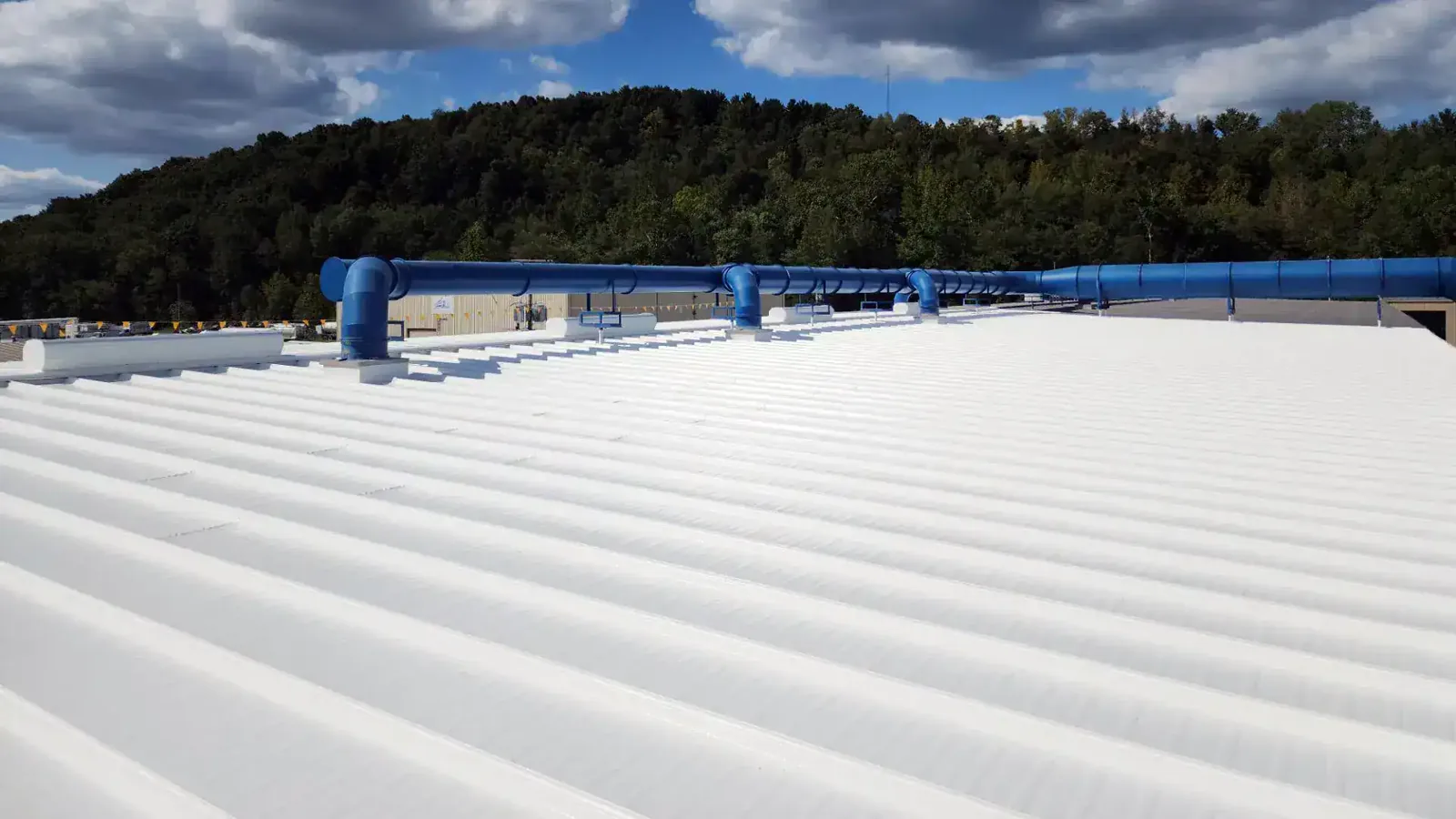
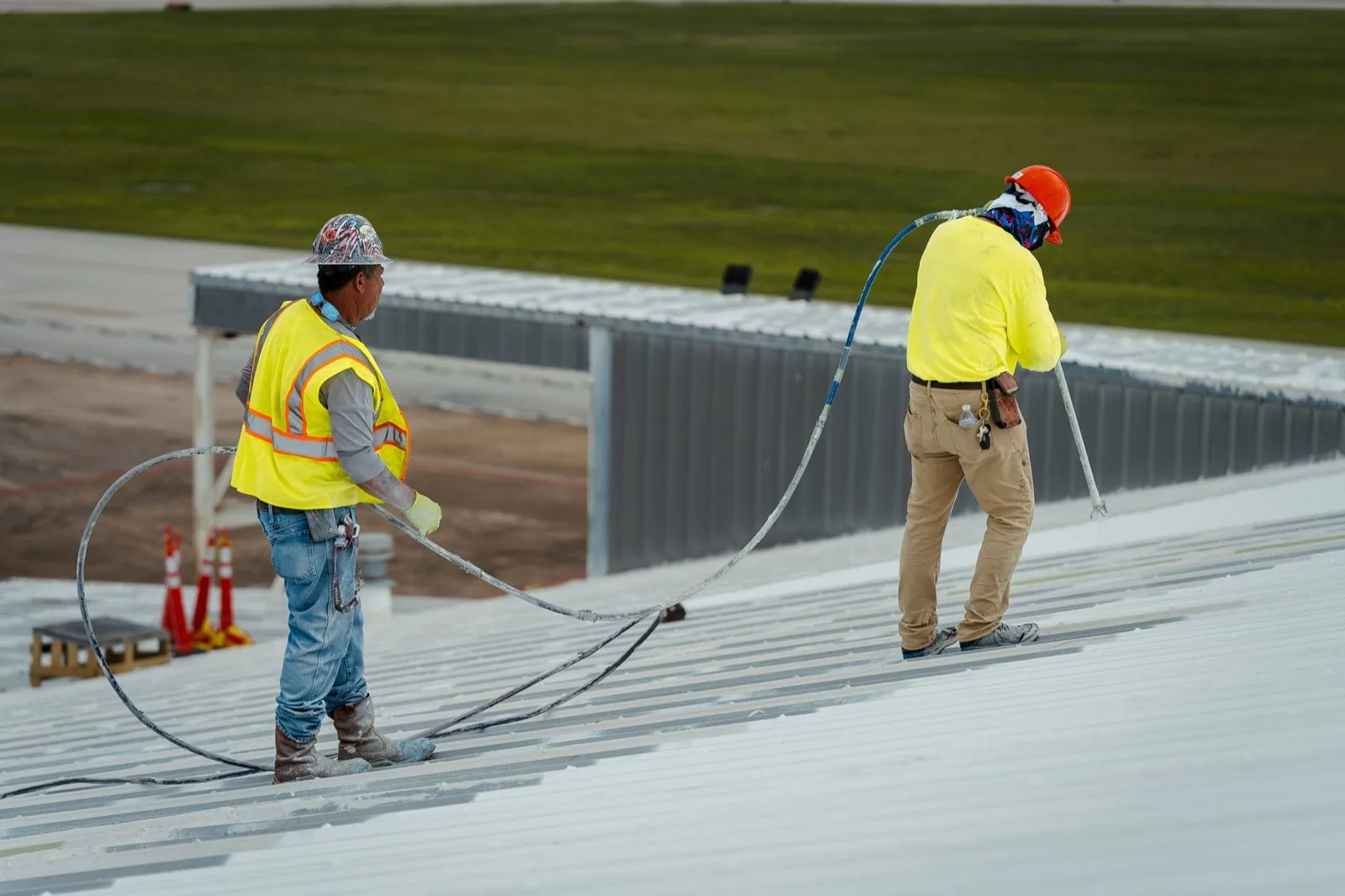
Coating can extend service life only when the existing roof is dry enough, attached, cleanable and compatible with the selected product. We identify repairs, primer requirements, reinforcement details and target application thickness. Wet insulation, active leaks, trapped moisture and widespread delamination change that decision. A roof coating scope should name substrate preparation and exclusions before the owner compares options.
When aging reaches multiple assemblies or the roof has exhausted repairable areas, replacement may provide a more dependable reset. A replacement comparison should explain removal, insulation, drainage correction, edge details and penetrations. Recovery is considered only when the underlying assembly is suitable and added load is acceptable.
Price depends on roof area, number of zones, system type, preparation, access, tear-off, deck condition and protection below. Schedule depends on material selection, weather and site operations. We separate confirmed quantities from allowances for concealed conditions, and we describe the approval process before hidden work expands.
Track change without disguising deterioration
For a roof that is not yet ready for replacement, dated condition photos help show whether cracking or shrinkage is advancing. The survey can mark repair points, coating loss, seams and exposed reinforcement for follow-up. Monitoring is not a substitute for closing a current opening. If water reaches the building, the owner should address active entry and protect contents while longer-term options are reviewed.
Roswell properties can include occupied offices, clinics and civic buildings with separate roof access rules. We coordinate inspection hours, escorts and mechanical room restrictions with the property contact. A maintenance visit should leave rooftop equipment, drains and safety routes available. The commercial maintenance program provides a separate schedule for recurring observations and small corrective work.
Where sunlight and heat have weakened a seam, the repair team checks whether material can still be welded or bonded. If the edge crumbles during preparation, the work boundary may need to extend to stable membrane. Our seam failure assessment focuses on that connection and keeps its repair limits visible.
Plan work around heat and occupied space
Roof temperatures can exceed the air temperature under direct sun. Material handling, adhesive flash-off and worker pace may require adjustments during hot periods. We select an installation sequence that limits open sections and follows product instructions. If surface conditions exceed the system's limits, the crew protects the roof and resumes when the substrate can accept the repair.
Buildings along Roswell's main commercial routes may have active deliveries, public entrances or tenants throughout the day. We confirm staging area, roof access, noise restrictions and any mechanical shutdown window. The owner can set a preferred work period; the roofing plan identifies the sections affected and daily protection points.
Some properties within Roswell's 640-acre historic district may need review of visible exterior changes. A coating color, edge metal or equipment screen can affect what is seen from public spaces. The owner confirms applicable review before ordering those materials. We can document current and proposed roof appearance for the project file.
Leave a baseline for the next decision
Closeout documentation records the roof zones reviewed, material identified, visible aging, completed repairs and areas left unchanged. Photos show the condition before and after work. If testing or openings were approved, the report states their location and restoration method. The owner can use that baseline to plan budget timing without confusing a limited repair with a new roof warranty.
A roof condition report can organize findings across multiple sections or buildings. Include prior repair dates, coating records, warranty terms, leak history and roof plans when requesting a review. Those materials help connect current wear with previous work and prevent incompatible repairs.
Request an inspection for a commercial roof showing heat or ultraviolet deterioration in Roswell. Name the building and affected zones, and share system records, leak history and access instructions. We will describe observed aging, separate urgent defects from long-range needs and provide repair or renewal options grounded in the inspected assembly.
Related Roofing Work
Review heat and UV roof wear
Name the Roswell property and affected roof zones. Share assembly records, leak history, prior repairs and access instructions for a documented inspection and repair comparison.
Questions About Commercial Heat and UV Roof Damage Repair
Does a faded or chalky roof always need replacement?
No. Color change can be cosmetic, while cracking, loss of flexibility or exposed reinforcement may indicate more serious wear. We assess the system, location and extent, then explain whether repair, monitoring, coating or replacement fits the observed condition.
Can a coating fix an aged commercial roof?
Only if the existing assembly is a suitable substrate and moisture, adhesion and preparation requirements are addressed. We identify repairs and testing needed before recommending a coating. The scope should disclose limits and any areas excluded from application.
Why do some roof sections age faster than others?
Sun angle, shade, equipment, water retention, repairs and material differences can change exposure. We compare roof zones rather than extending one area's condition to the whole building. That supports a repair boundary based on actual observations.
What records help with a heat-damage evaluation?
Provide roof plans, system and coating records, prior repair dates, warranty information, leak history and access rules. A contact who can identify known problem areas can help the inspection focus on useful comparisons.
Commercial Roofing Across Roswell and North Fulton
Roof Repair, Replacement and Maintenance for Every Kind of Commercial Building
From Historic Roswell and Canton Street to the Holcomb Bridge Road corridor, GA 400 and the North Point area, we inspect, repair and replace low-slope and metal roofs on offices, retail centers, medical buildings, schools and warehouses.