
Commercial Roof Fire Damage Repair in Roswell, GA
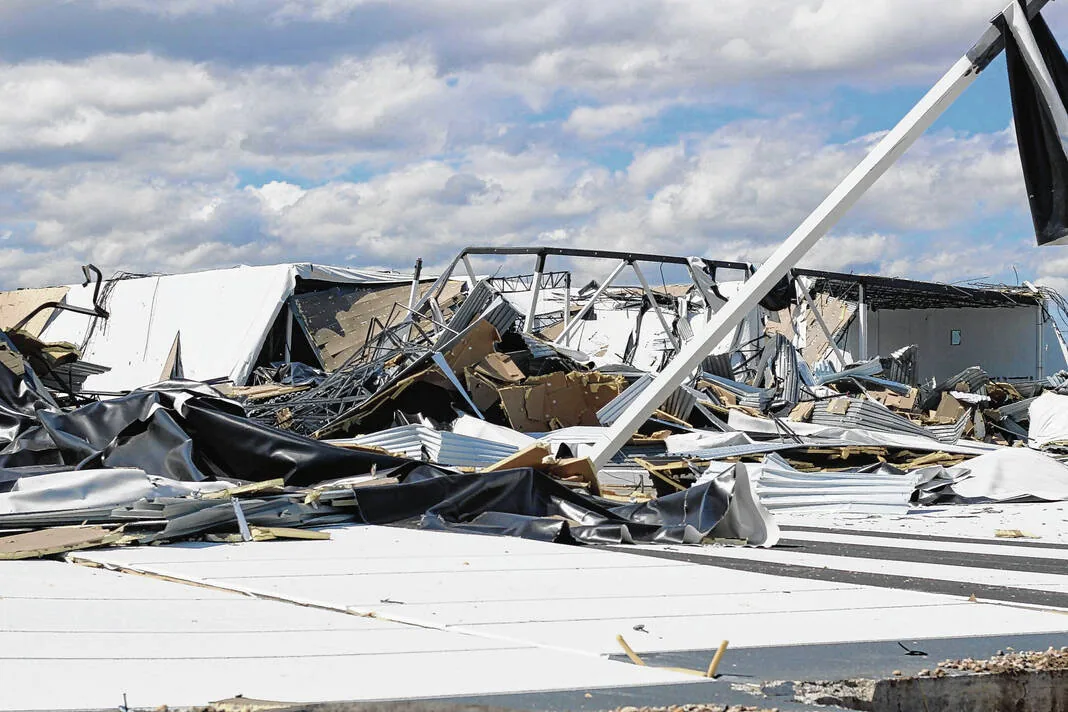
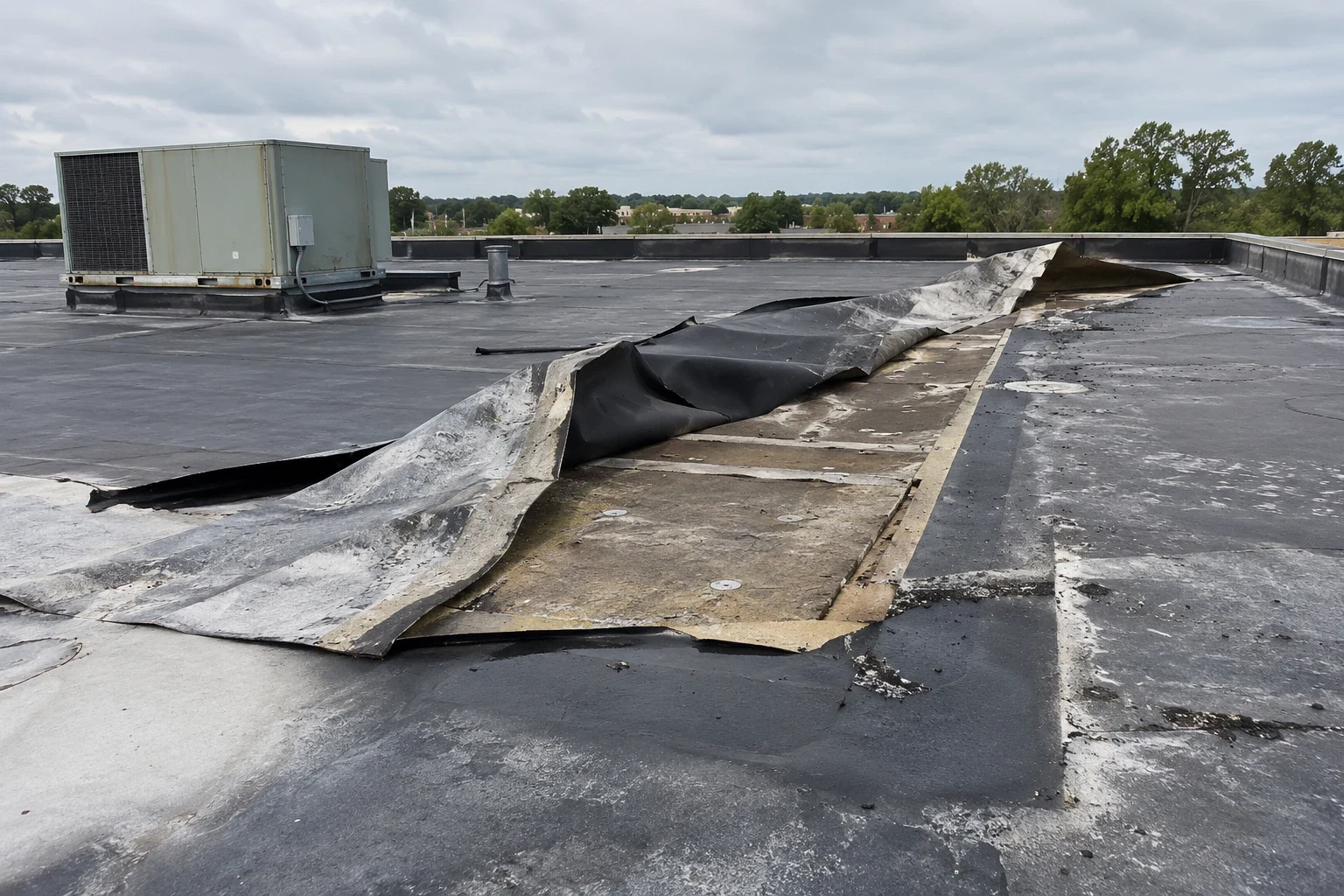
A burned membrane edge beside a roof curb can hide damage below the charred surface. We mark the affected zone and check metal, membrane, insulation and deck for visible heat effects before setting a repair boundary. Fire residue, water used during suppression and later rain can affect different roof layers. An exterior survey does not establish structural safety or indoor air conditions. We document roofing evidence and coordinate opening work with the authorized project team.
Roswell's commercial network includes office, healthcare, civic and light industrial buildings along GA 400 and Holcomb Bridge Road. The property use does not identify the roof system or extent of fire damage. A Roswell commercial roof inspection starts with the building, reported event area and records available for review.
Map heat effects from the roof edge inward
Heat can shrink, blister or split a membrane, loosen a seam and distort metal flashing. We inspect the affected roof zone outward from the reported fire area. At penetrations and curbs, we check corners, sealants and attachment. At edges, we look at coping, terminations and fasteners. The report shows visible change and marks areas that need opening before their condition can be confirmed.
Smoke residue may coat rooftop surfaces and equipment without showing how deeply the assembly was affected. We record where residue appears and identify any surface cleaning or material sampling that belongs with another qualified scope. Roofing work can proceed only after the owner confirms access and any needed safety review. A warehouse roof evaluation may involve stored inventory and equipment, but the fire assessment still follows the actual affected roof zone.
Water from suppression or weather can enter through a burn-through, open seam or displaced edge. We trace the water route and inspect insulation and deck near those openings. A wet layer may extend past the visible burn area. Infrared review or test cuts can help determine removal limits after the owner approves their location and repair plan.
Identify what remains serviceable
Fire can affect one roof layer while adjacent assembly remains intact. We identify membrane or panel type, attachment, insulation, cover board and deck where accessible. Color change alone does not establish failure. We check for brittleness, loss of adhesion, deformation, open seams and damaged fasteners. The report separates visible defects from components that remain concealed beneath the roof surface.
Metal roofing may show distortion, coating damage, failed seals or movement at fasteners. Membrane systems may have blisters, shrinkage, punctures or compromised welds. Each material needs its own repair method. A TPO assembly review describes a thermoplastic roof only after we confirm that system is present. The scope does not infer a roof type from the building's business.
Permit scope and repair details should be confirmed with the design professional and local authority. We document existing roof conditions and proposed assembly work. If fire exposure raises a structural question, an engineer evaluates that component before roof replacement or recovery proceeds.
Keep the opening protected during review
After a fire, the owner may need access controls, structural review or insurer documentation before removal starts. We coordinate the roof route, restricted areas, debris handling and protection below with the authorized contact. Temporary covers are secured to sound material and kept clear of drains, vents and equipment intakes. The plan identifies who can release each work zone after review.
If a section must remain untouched for an investigation, we mark its boundary and avoid disturbing the material. Adjacent repairs proceed only where access and scope are approved. Photos show the condition before covering or removal. The work log identifies what was not opened and what additional information is needed to define a permanent repair.
Roswell's central business district and commercial corridors include occupied properties with different access rules. We confirm business hours, tenant notice, loading areas and temporary closures at the specific property. A phased occupied-building plan can sequence work by roof zone once access is released.
Separate confirmed replacement from unknown layers
A localized repair may be suitable when damage is limited and the surrounding material remains attached, compatible and dry. If heat has degraded a wider membrane area or suppression water reached the insulation, removal may extend to sound, dry material. We photograph the exposed layer, measure the boundary and submit added quantities for approval before continuing.
Recovery should be considered only when remaining layers, attachment, drainage and deck can support another system. Replacement exposes the assembly and allows direct inspection of the deck. A replacement scope names the roof zones, removal depth, insulation, edge work, penetrations and temporary dry-in. Any allowance states the concealed condition it covers.
Cost depends on fire area, access, removal layers, disposal requirements, system compatibility, protection below and confirmed deck repairs. Schedule depends on investigation release, material availability, weather and the number of work zones. We keep roofing scope separate from smoke cleanup, interior restoration and structural engineering so the approvals and records match the work performed.
Close damaged areas against rain
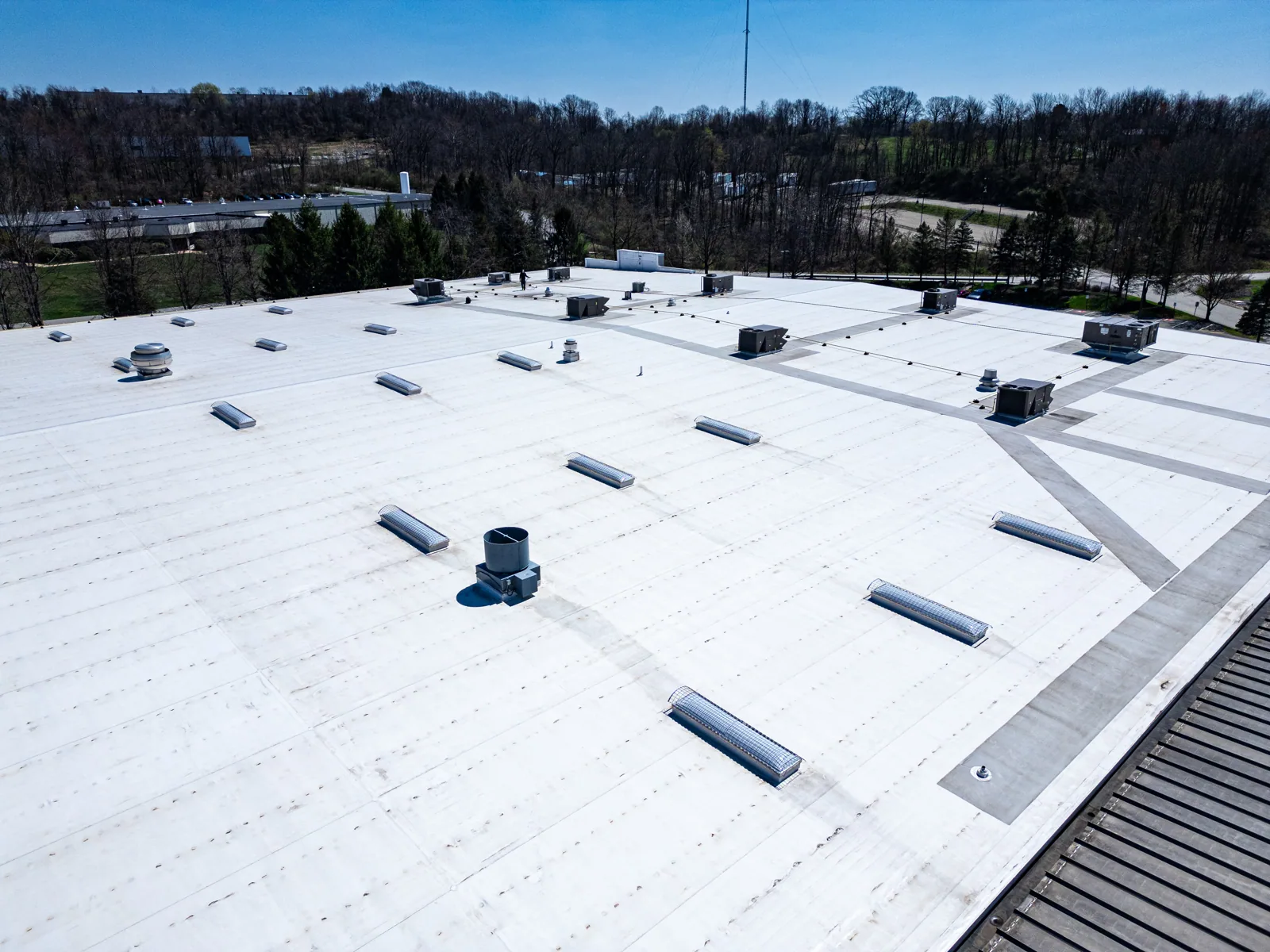
A roof opened by heat can admit rain even when the damaged area appears small. We install temporary protection with a stable termination and direct water toward an open drain. Exposed insulation stays covered. If the substrate remains wet from suppression, we allow it to dry or replace it before closing the assembly. The field record notes protection and conditions required to resume.
Roswell's frequent warm-season rainfall can reach a damaged roof before permanent work is approved. We check temporary covers, seams and outlets after rain. Emergency response is available around the clock, weekends and holidays, when an active opening needs attention. Urgent protection remains within the access and safety limits set for the building.
If another event affects the property during the investigation, we document it apart from the fire condition. Wind displacement and hail impacts are logged separately from fire effects. A wind damage assessment can focus on a lifted edge, while a hail damage inspection records impact marks within its own roof zone. We inspect the repaired area and adjacent seams for new visible changes, then keep each event and scope tied to its own records.
Keep fire and roof records connected
Closeout photos show removed layers, installed materials, repaired transitions and the final dry-in points. The record identifies the building, roof zone, approvals, tests and concealed limits. It also notes any area left untouched for a separate investigation. That detail lets the owner reconcile roofing work with fire, engineering and insurance files without treating those records as interchangeable.
Roswell's commercial building stock stretches from the historic center to properties along GA 400 and Holcomb Bridge Road. Roof assemblies vary across those uses. A roof condition report connects each photo and repair to the correct building and zone for future review.
Request an inspection or scoped comparison for a named building and fire-affected roof area. Send roof plans, event timeline, suppression-water details, access restrictions, prior repairs and any approved investigation limits. We will document confirmed roof conditions and identify the decisions needed before removal expands.
Related Roofing Work
Document a fire-affected roof
Name the building and roof zone. Send roof plans, event timeline, suppression-water details, access limits, prior repairs and investigation controls for a documented inspection and scoped comparison.
Questions About Commercial Roof Fire Damage Repair
Can you determine roof replacement scope from burn marks alone?
No. A surface mark does not show the condition of insulation, cover board or deck below. We inspect visible areas and recommend controlled openings when they will clarify the repair limit. The report separates confirmed damage from hidden layers that need approval to investigate.
Should roofing work start before a fire investigation is finished?
The owner and authorized investigators set any areas that must remain undisturbed. We coordinate temporary protection and access around those limits. Repairs proceed only where the project contact releases the area. Photos and work notes identify what was covered, opened or left for another review.
Does fire suppression water change the roofing scope?
It can. Water may enter through the damaged area and affect insulation or deck beyond the visible heat zone. We inspect accessible layers and may propose infrared review or a test cut to map moisture. The proposal states what the test can establish and the approval needed before opening the roof.
Can the building remain occupied during roof repair?
The facility contact decides which areas can stay in service after safety and structural review. We can phase approved roofing work, protect occupied areas below and keep routes clear. The schedule names work zones, daily closure points and any access or shutdown limits.
Commercial Roofing Across Roswell and North Fulton
Roof Repair, Replacement and Maintenance for Every Kind of Commercial Building
From Historic Roswell and Canton Street to the Holcomb Bridge Road corridor, GA 400 and the North Point area, we inspect, repair and replace low-slope and metal roofs on offices, retail centers, medical buildings, schools and warehouses.