Commercial Storm Damage Roof Repair in Roswell, GA
A dented edge cap beside a fresh membrane split changes the repair boundary. Wind can lift a loose termination, while hail may fracture a brittle surface nearby. We inspect the edge, field membrane, penetrations, and interior reports before choosing a repair. North Georgia sees severe thunderstorms, damaging wind, hail, and tornadoes. A storm report helps set the inspection route; visible roof conditions define the work.
We stabilize active openings when conditions allow, then record each affected roof zone. Photos show the defect, surrounding details, and scale before material is disturbed. Warm-season rain across Roswell commercial areas can reach a roof quickly after a storm, so drains and temporary dry-in matter during the response. For a reported leak, commercial leak tracing can follow the water path before the permanent scope is set.
Read each storm mark in context
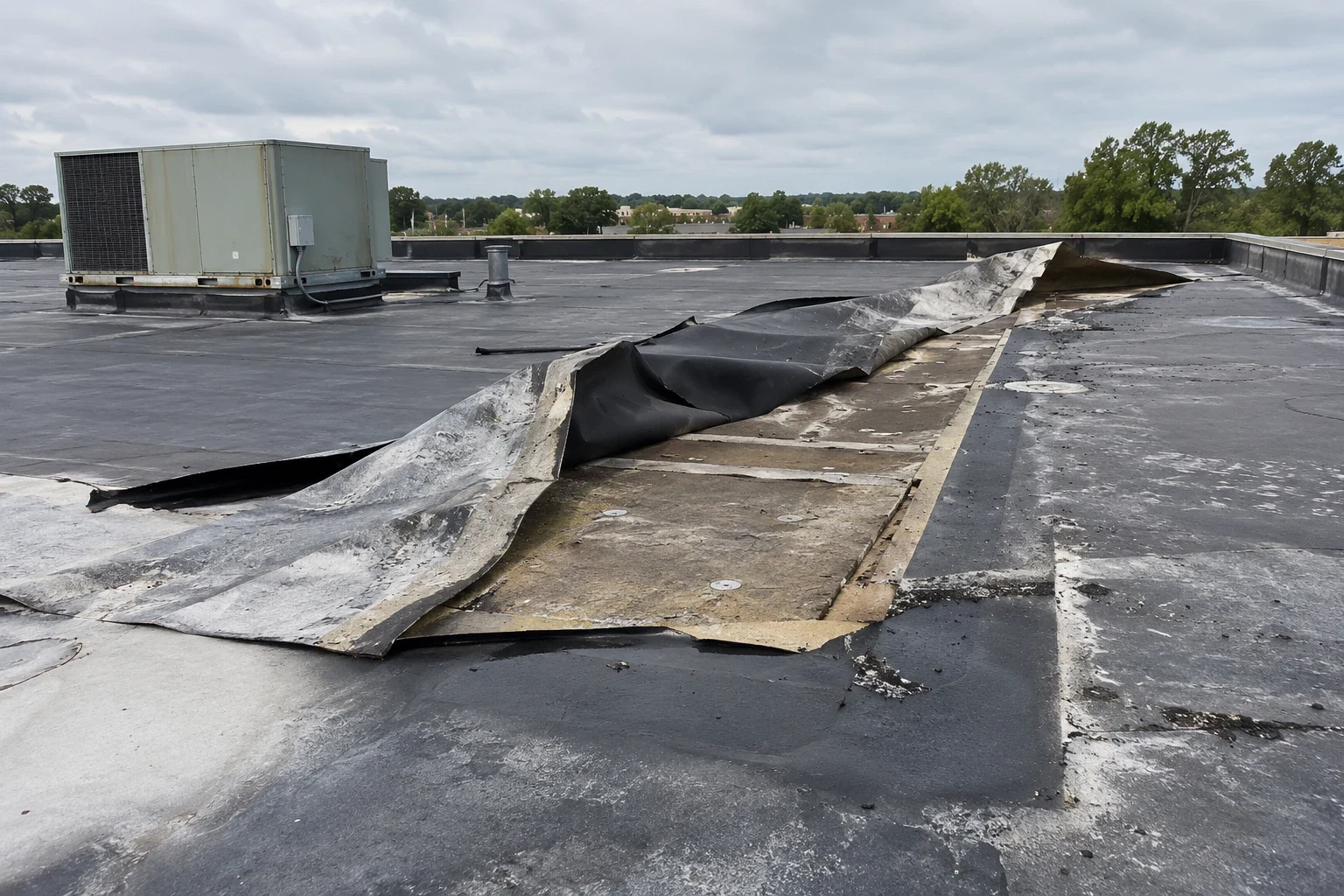
We inspect for punctures, fractured surfacing, lifted seams, displaced edge metal, loose coping, and damaged flashings. Each condition is photographed with a roof-zone reference. We compare it with older patches, existing wear, and drainage patterns. That comparison helps separate a current impact from a condition already in the assembly. We describe the observed change and avoid assigning a cause that the roof evidence cannot support.
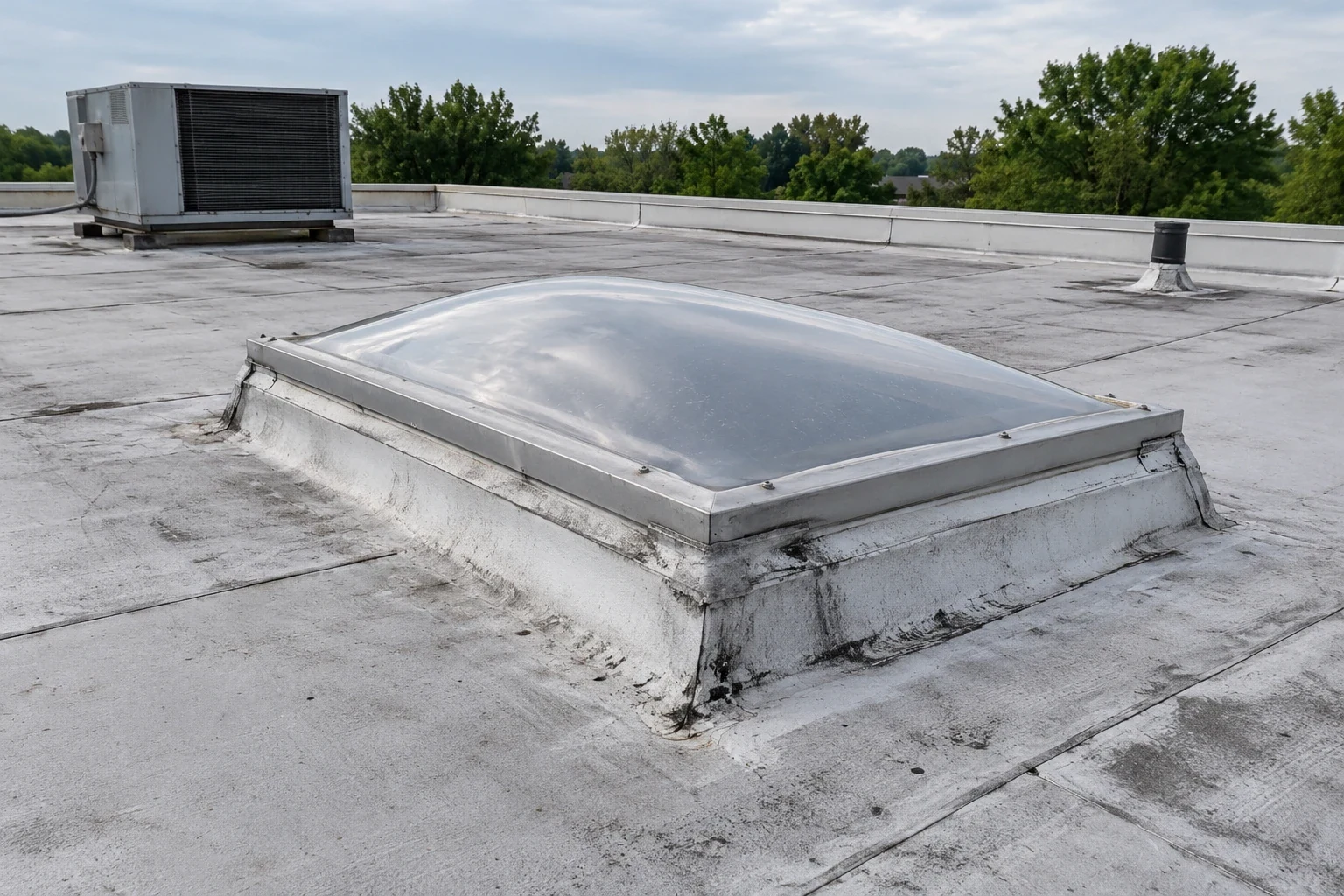
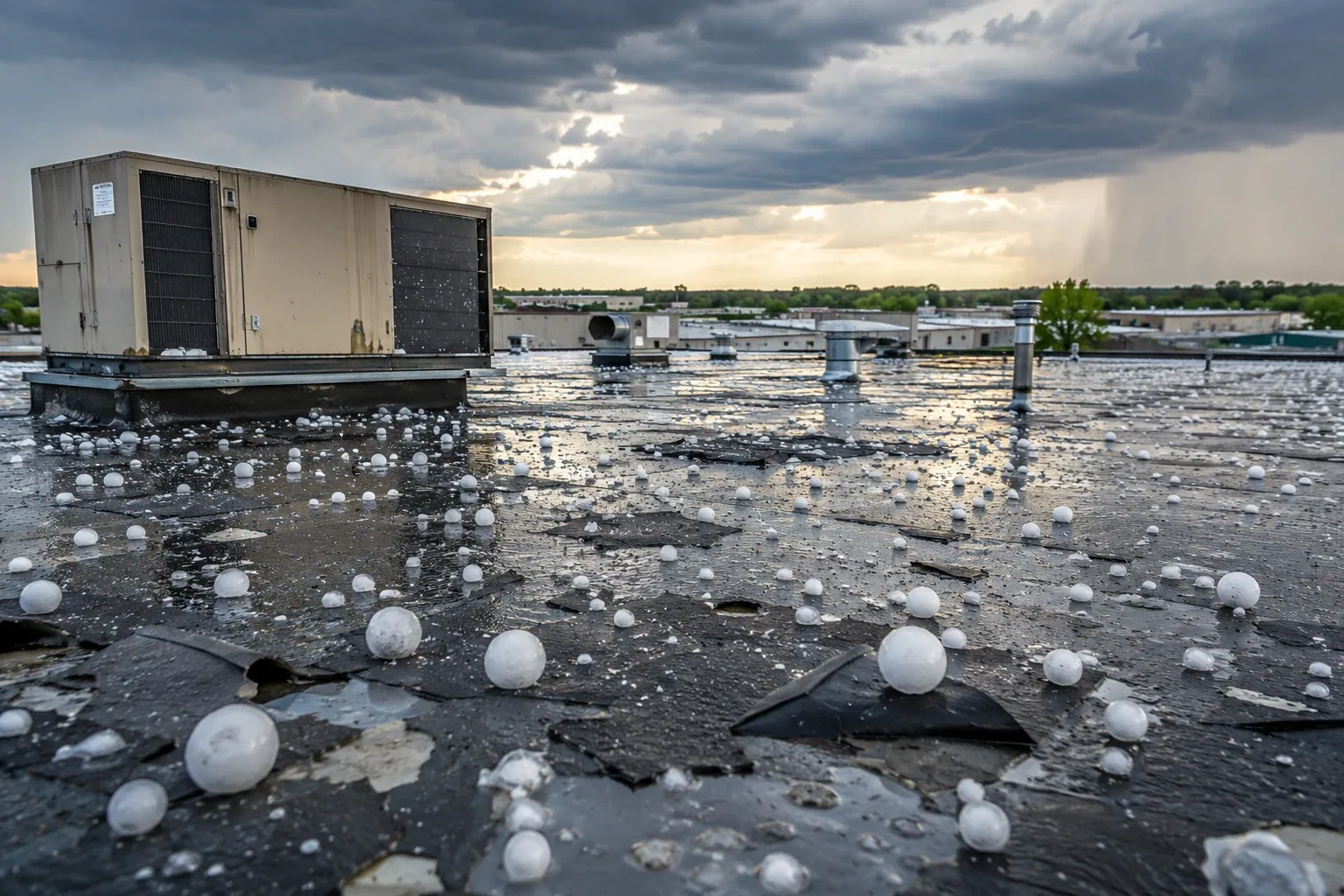
Hail can leave marks on metal, surfacing, and membrane, but each mark needs a close check. We look for split material, exposed reinforcement, loss of bond, or openings at adjacent laps. A shallow impression without a breach may call for monitoring rather than replacement. At curbs and pipe boots, we check for breaks in the flashing and movement at corners. Findings that support a repair receive a location, photo, and defined work limit.
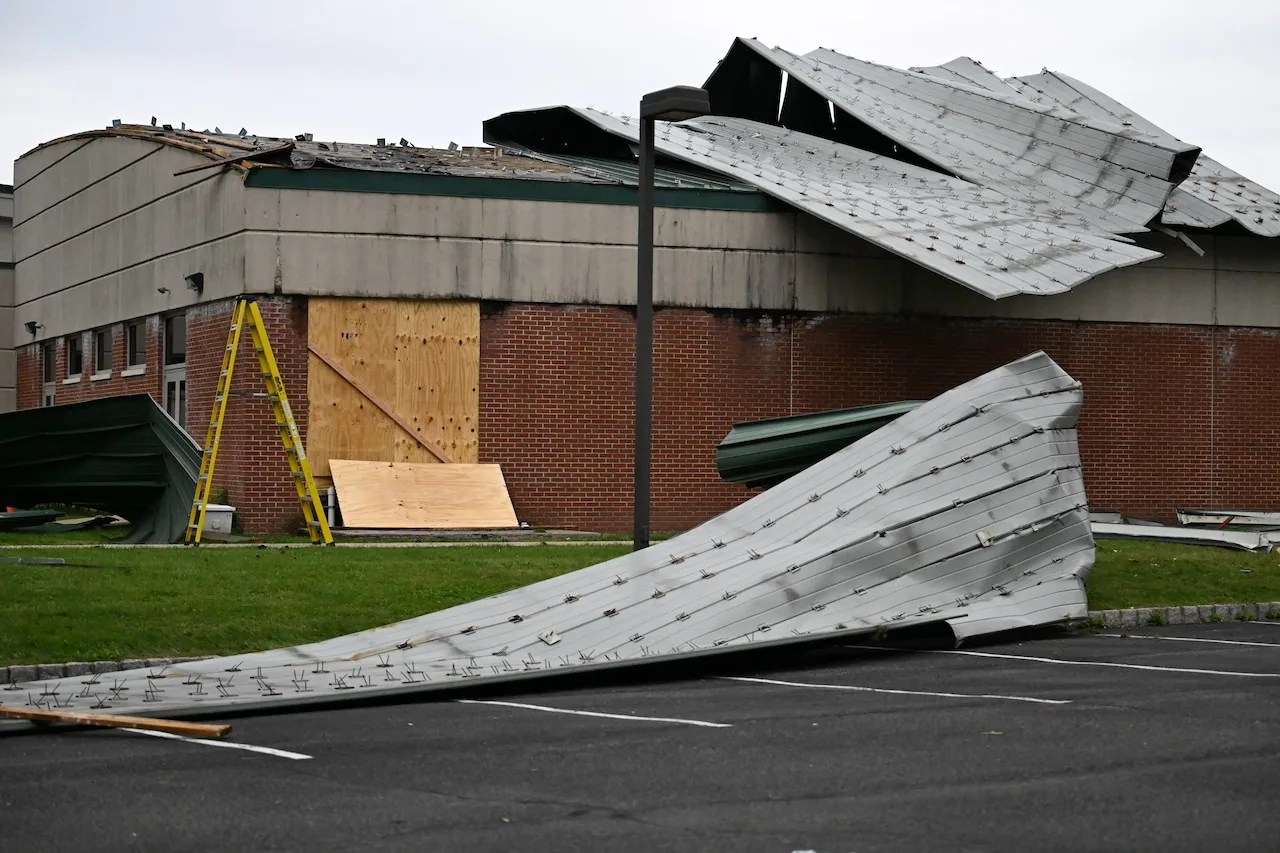
After high wind, perimeter metal and roof edges need attention. We check cleats, fasteners, terminations, corners, and transitions where different assemblies meet. Tornado activity in north and central Georgia may leave debris or create unsafe access, so the first visit includes a roof-safety check. The National Weather Service tracks these hazards across the Atlanta region. A wind damage assessment can focus on confirmed edge or membrane impacts. A hail impact review can document fractured surfacing or openings.
Follow water through the assembly
Water may enter at one opening and travel beneath the membrane before appearing inside. We trace from the affected roof zone through seams, curbs, penetrations, insulation, and the drain path. A stain location helps guide the inspection but does not mark the roof opening by itself. We compare interior reports with roof slope, nearby transitions, and visible moisture evidence before setting the repair boundary.
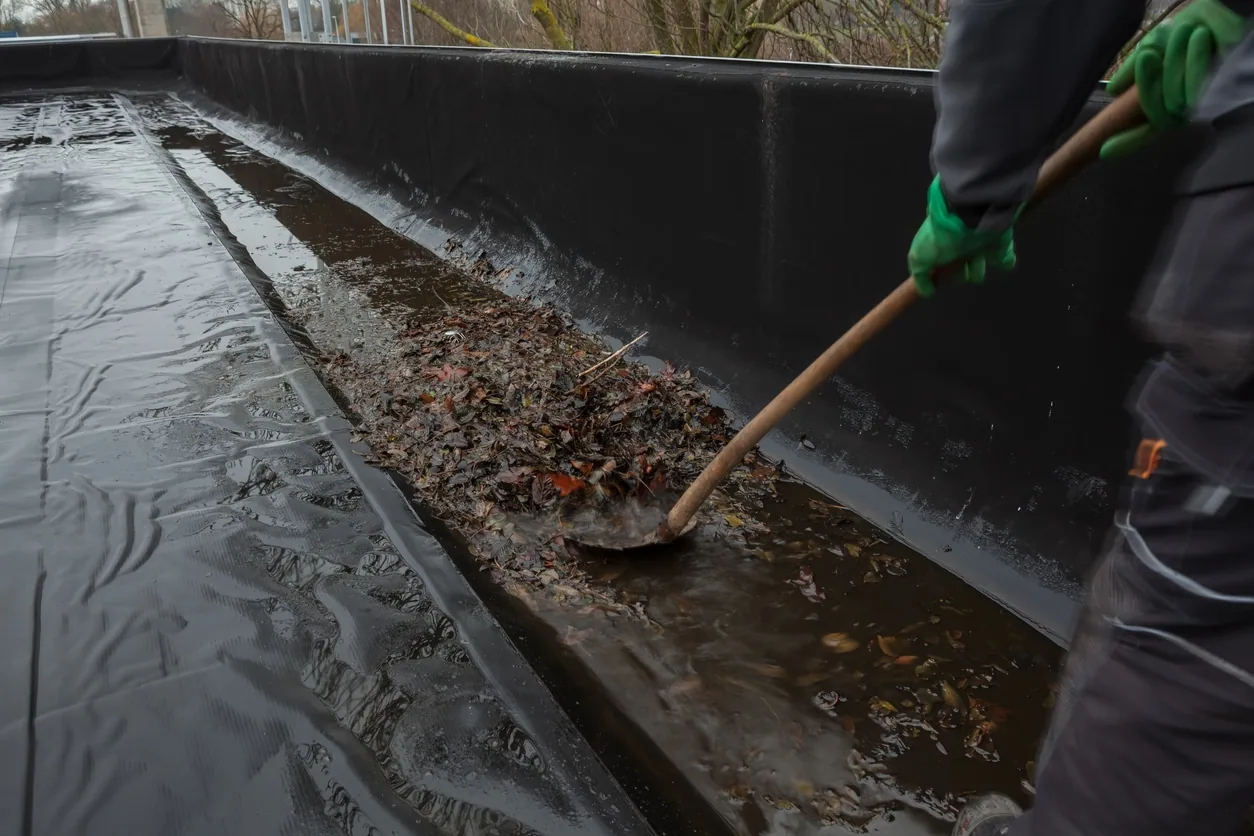
Roswell's humid summer weather and frequent rain can keep low roof areas wet after the first shower. We inspect primary drains and overflows, then note ponding marks and soft insulation near the suspected opening. If the drain is blocked, that condition may add water exposure without being the original storm damage. We list each finding separately. A drain and scupper correction can address drainage problems that remain after the storm repair.
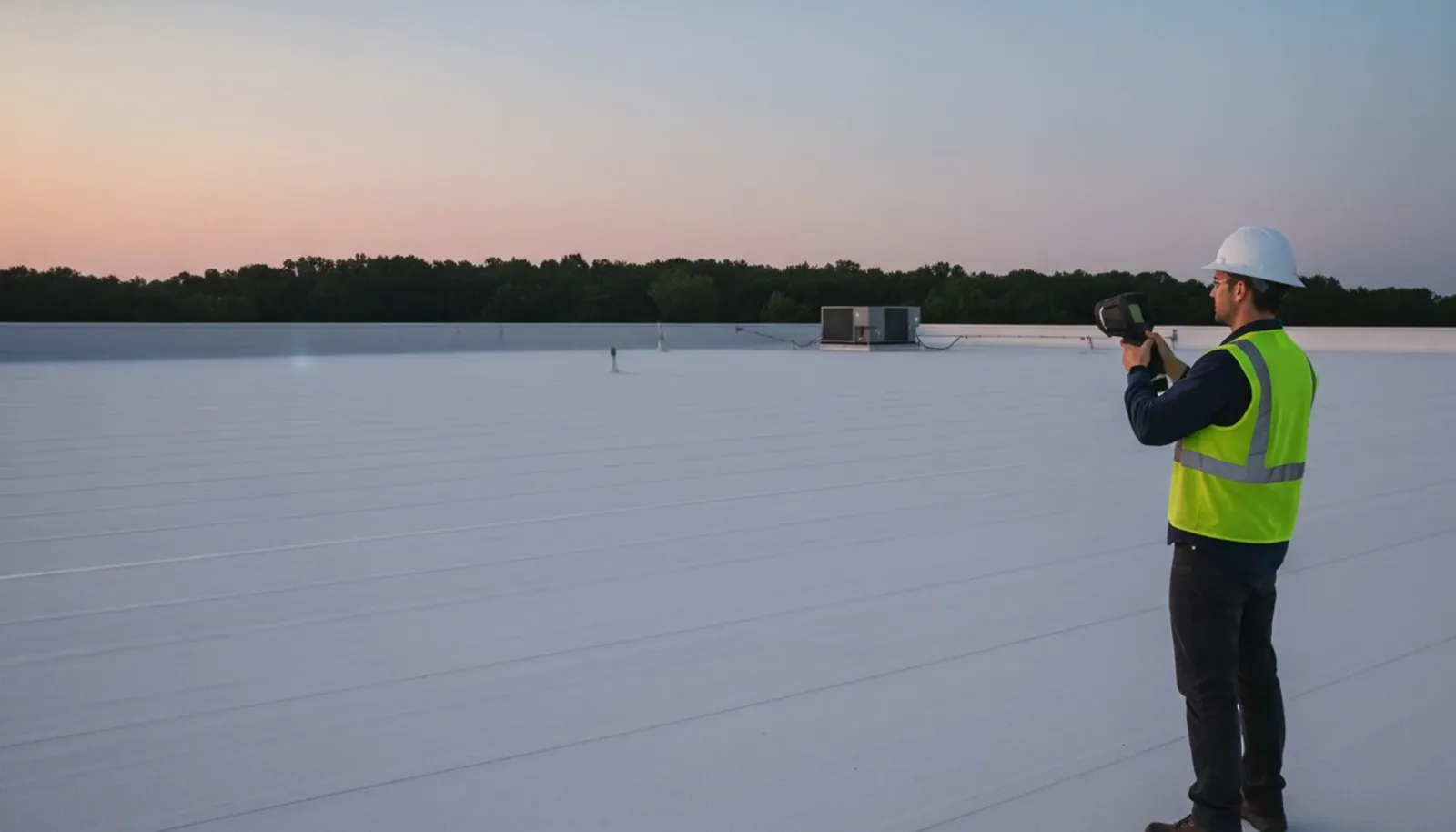
When moisture may extend beyond the visible opening, we define test locations before removing material. Infrared or other moisture checks can help direct selected openings, subject to surface and weather conditions. A moisture survey can map a larger roof zone, then core cuts confirm conditions at specific points. We report the limits of each test and keep confirmed wet material distinct from areas that still need investigation.
Repair the damaged transition
Temporary protection limits exposure until a lasting repair is ready. We secure dry-in to sound material, keep drains and overflows open, and mark the covered roof zone. The protection method depends on roof condition, wind, rain, and safe access. If lightning, wet surfaces, or unstable material make roof work unsafe, we protect the interior and return when conditions support a secure tie-in.
Permanent repairs use materials compatible with the existing membrane. We prepare the surface, remove unsound material where approved, and connect the patch to a dry, stable substrate. At a seam, we verify the lap and finished edge. At a curb, we check corners and flashing height. Metal repairs must allow for panel movement. We photograph the completed detail before a coating or cover strip obscures it.
If opening the assembly reveals wet insulation or damaged deck, we mark the added boundary and show the condition before proceeding. The asset manager approves removal beyond the confirmed scope. An allowance identifies the work that may be needed, not a blanket authorization. Where damage is widespread, we compare localized repair with a roof replacement scope using findings by roof zone.
Plan access around building operations
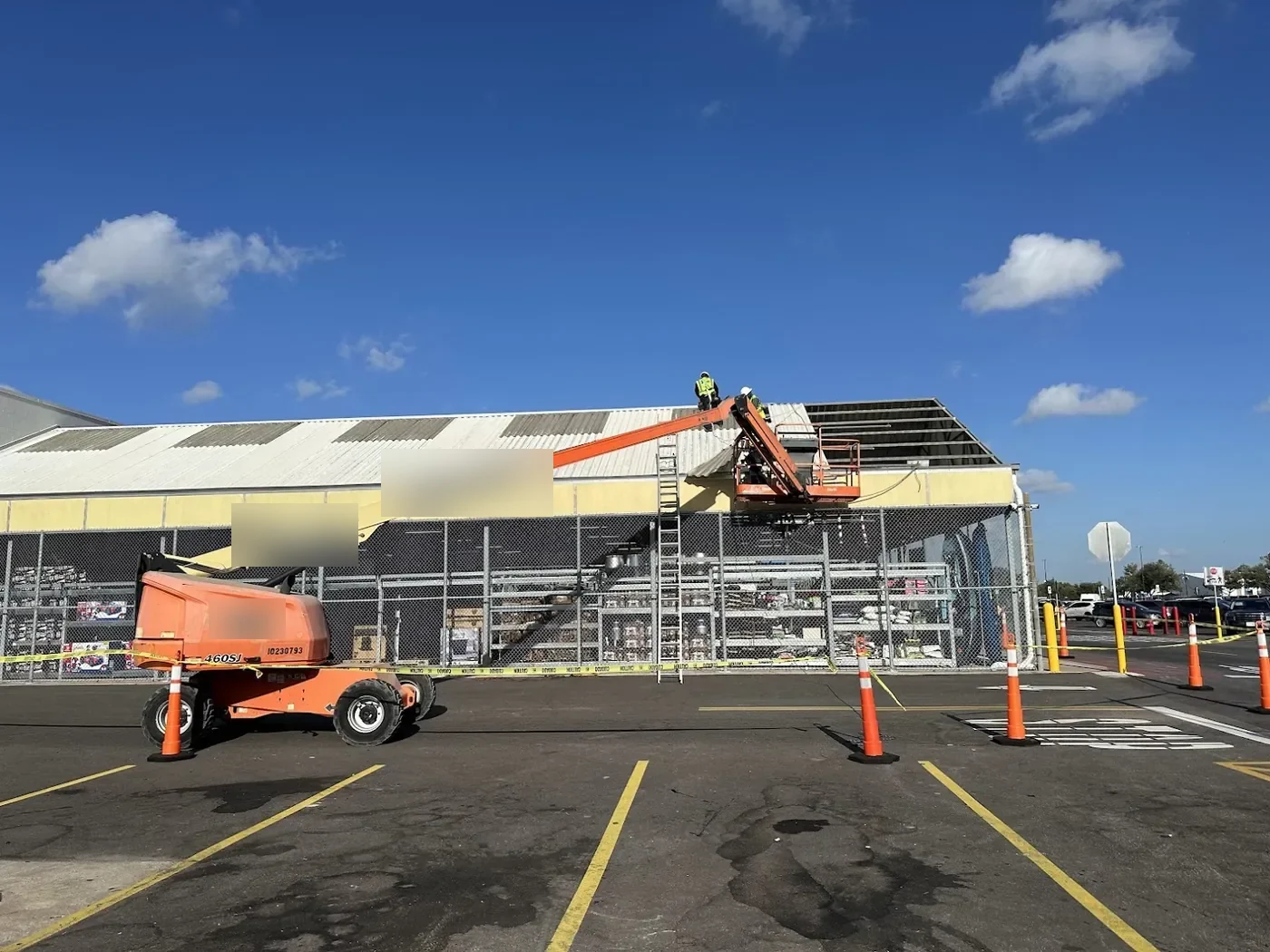
Response planning covers roof access, loading, equipment, and occupied spaces below the damaged area. We confirm hatch access, escort rules, restricted hours, and any rooms needing interior protection. Clinics and schools may require room coordination. Retail and office sites may need entrances or delivery routes kept open. The plan identifies a facility contact and the next decision point if the repair boundary changes.
Holcomb Bridge Road connects Roswell's east-west network with GA 400, the city's only interchange access to SR 400. Traffic and loading conditions can affect where materials and lifts stage. The corridor does not establish a property's roof condition. We use site-specific access instructions to plan the visit. For properties in central Roswell, visible exterior changes may also call for review within the Historic District before permanent edge work.
Timing depends on safe access, weather, material availability, drying time, concealed conditions, and work authorization. We set a temporary control first when active water threatens the building. Permanent work follows when the surface and substrate meet repair requirements. A around-the-clock emergency response is available when the opening needs immediate attention outside regular hours.
Keep the repair record by roof zone
The closeout record lists the reported storm timing, inspection date, roof areas reached, observed impacts, temporary protection, and completed repairs. Photos show each defect and its location. We distinguish storm-related observations from older conditions and identify any areas not safely accessible. If the work exposed concealed damage, the record includes the approved limit and material found before the assembly was closed.
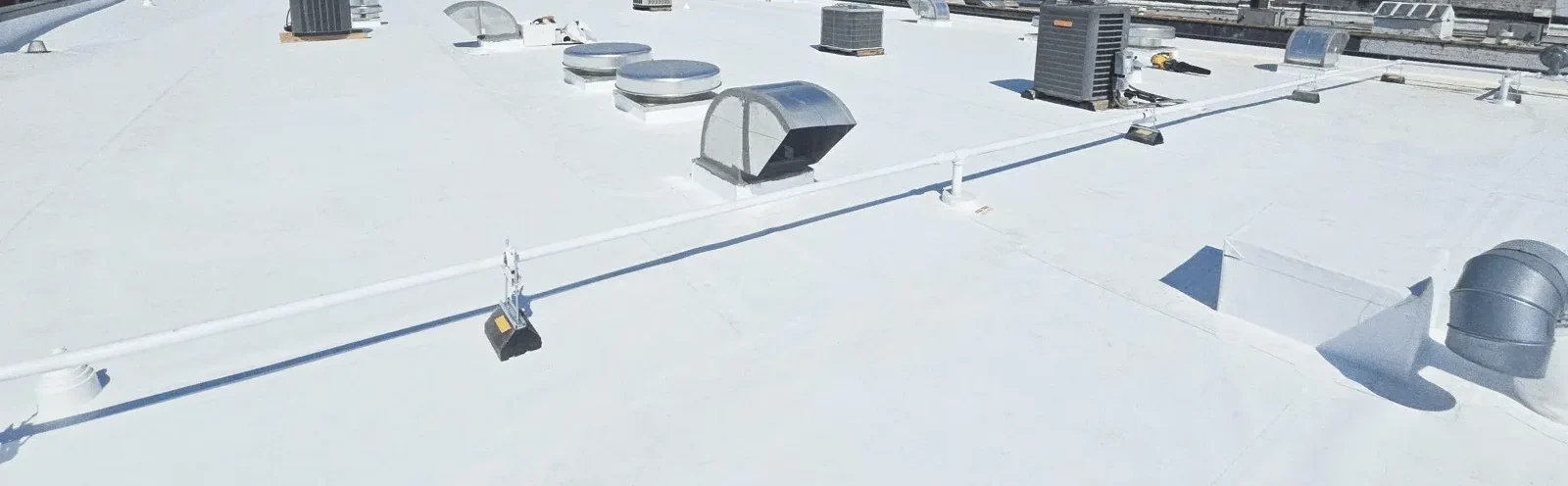
After the next rain, the facility contact can check the same interior location and roof zone. A new stain, active drip, or moved cover gives the crew a specific return point. We can add completed storm repairs to a maintenance route and check the same seam, edge, or curb later. This helps distinguish a sound repair from a new opening elsewhere.
For claim files, we provide documentation of visible conditions and completed work. The record can include photos, dates, roof-zone references, and repair descriptions. Claim documentation support can help organize those materials without promising a coverage outcome. The insurer and policy terms determine the claim decision.
Related Roofing Work
Request a storm damage inspection
Name the building and affected roof zone. Share storm timing, leak locations, interior photos, roof plans, prior repairs, and access rules so we can focus the visit and document confirmed conditions.
Questions About Commercial Storm Damage Roof Repair
What should be inspected after hail or high wind?
We check roof edges, metal terminations, seams, flashings, penetrations, and the reported interior area. Hail marks need close review for fractures or openings, while wind can loosen edge metal or pull at a termination. We photograph specific conditions and compare them with prior repairs and ordinary wear before recommending work.
Does a storm report confirm roof damage?
A weather report identifies a reason to inspect, not a defect on a particular building. We document visible impacts, water entry, or displaced components and tie each finding to a roof zone. If the visit finds no confirmed damage, the record can still identify the areas reached and conditions that need later monitoring.
Can temporary protection be installed before permanent repairs?
Temporary dry-in can limit water entry while the roof is wet, materials are pending, or concealed conditions need approval. We secure it to suitable material and keep the drain path open. Wind exposure and roof condition affect how long protection can remain, so the closeout note identifies the covered area and return needs.
How do you separate old wear from a storm impact?
We compare the reported timing with visible fractures, loose edges, fresh punctures, existing repairs, and surrounding membrane condition. Photographs and roof-zone notes preserve those observations. The report states what is confirmed and what remains uncertain. It does not label ordinary deterioration as storm damage without supporting evidence.
Commercial Roofing Across Roswell and North Fulton
Roof Repair, Replacement and Maintenance for Every Kind of Commercial Building
From Historic Roswell and Canton Street to the Holcomb Bridge Road corridor, GA 400 and the North Point area, we inspect, repair and replace low-slope and metal roofs on offices, retail centers, medical buildings, schools and warehouses.