Solar-Ready Commercial Roofing in Roswell, GA
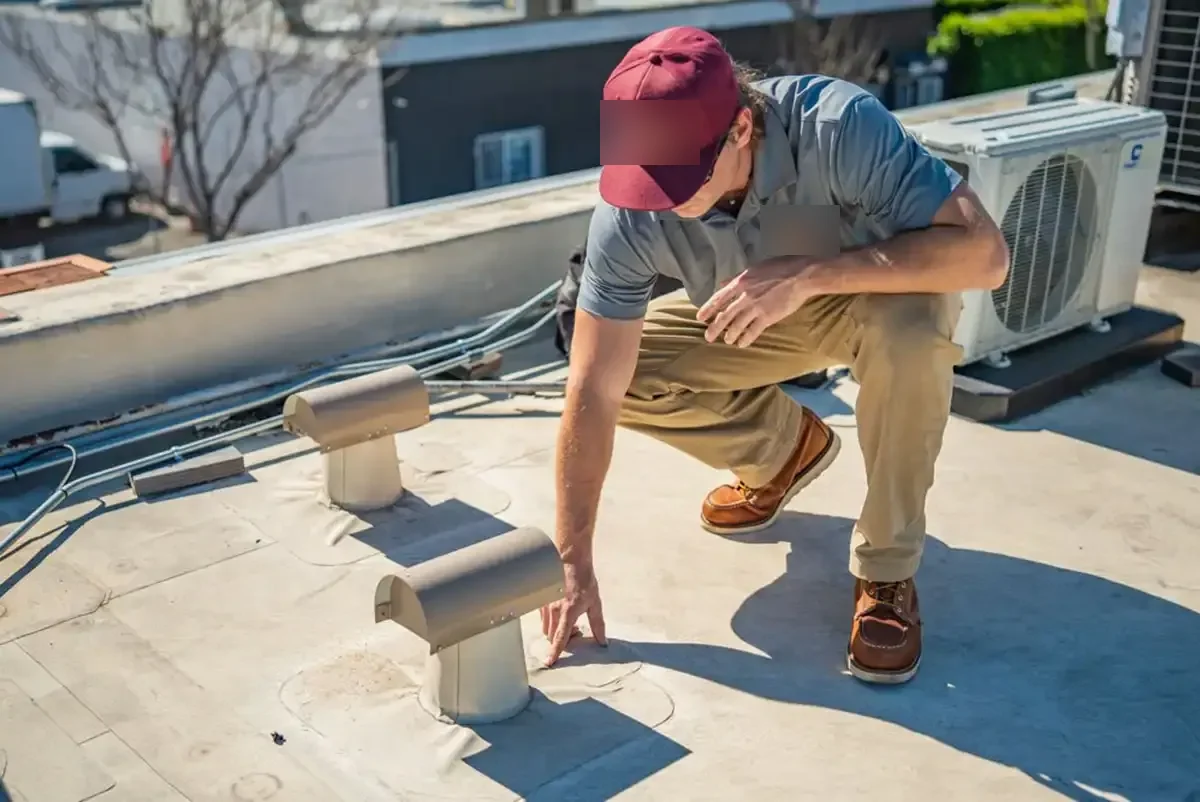
A loose pipe boot beside a future solar row can set the wrong penetration boundary. We map existing openings, drains and equipment before array work begins. Roswell's hot summers, humidity and frequent rain stress seams and flashing. Severe weather also makes attachment and edge details important. A solar-ready roof starts with a confirmed condition record, a suitable assembly and clear responsibility for every roof opening.
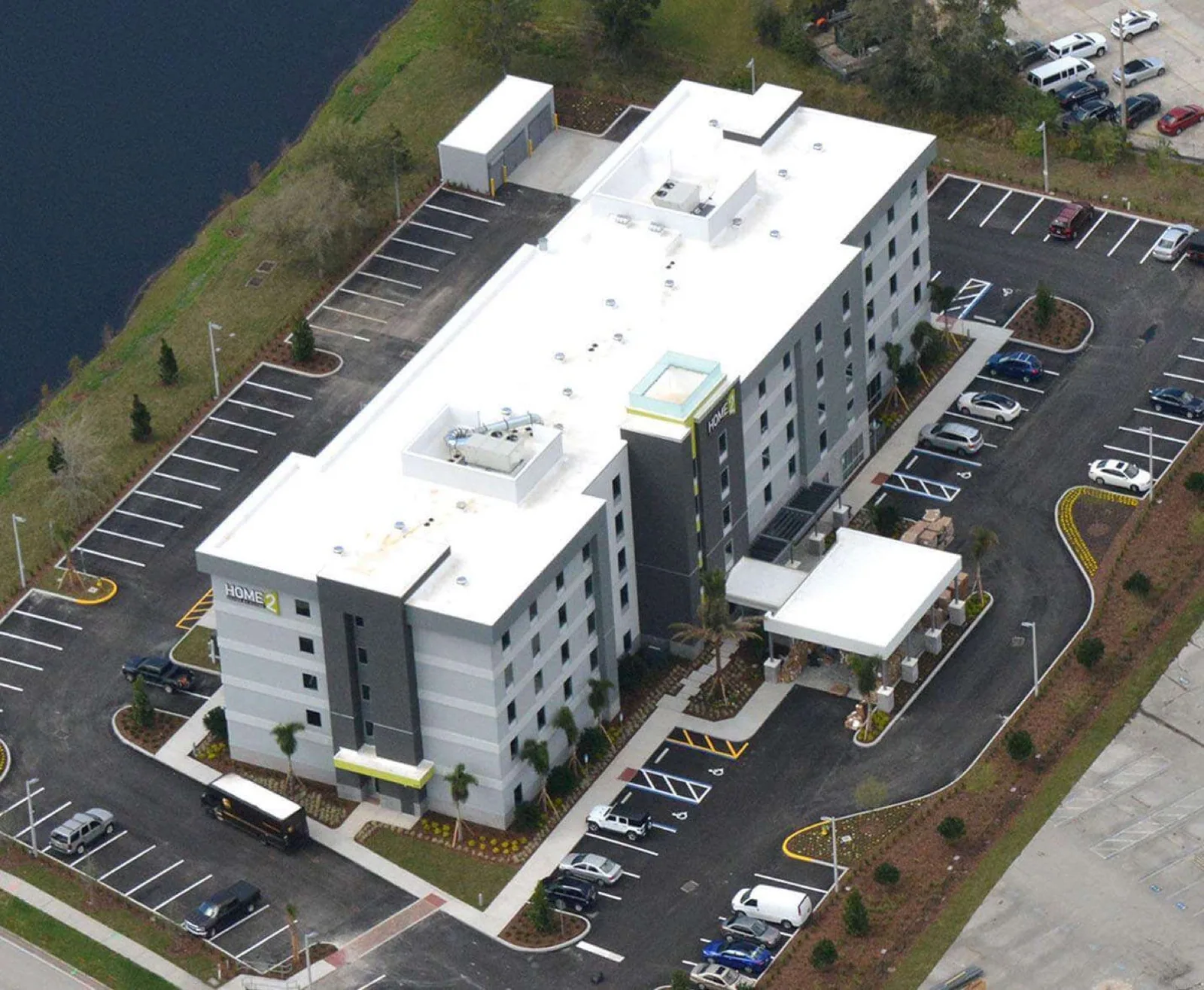
We prepare roofs for planned arrays and repair or maintain roofs where panels are already installed. The work can include inspection, localized repair, membrane replacement, curb or penetration flashing, and coordination with the solar contractor. GA 400 and Holcomb Bridge Road serve Roswell's offices, healthcare, schools and light industrial properties. Roof access and equipment needs differ by site. We define the project by roof zone and preserve service paths and drainage.
Check roof life before array layout
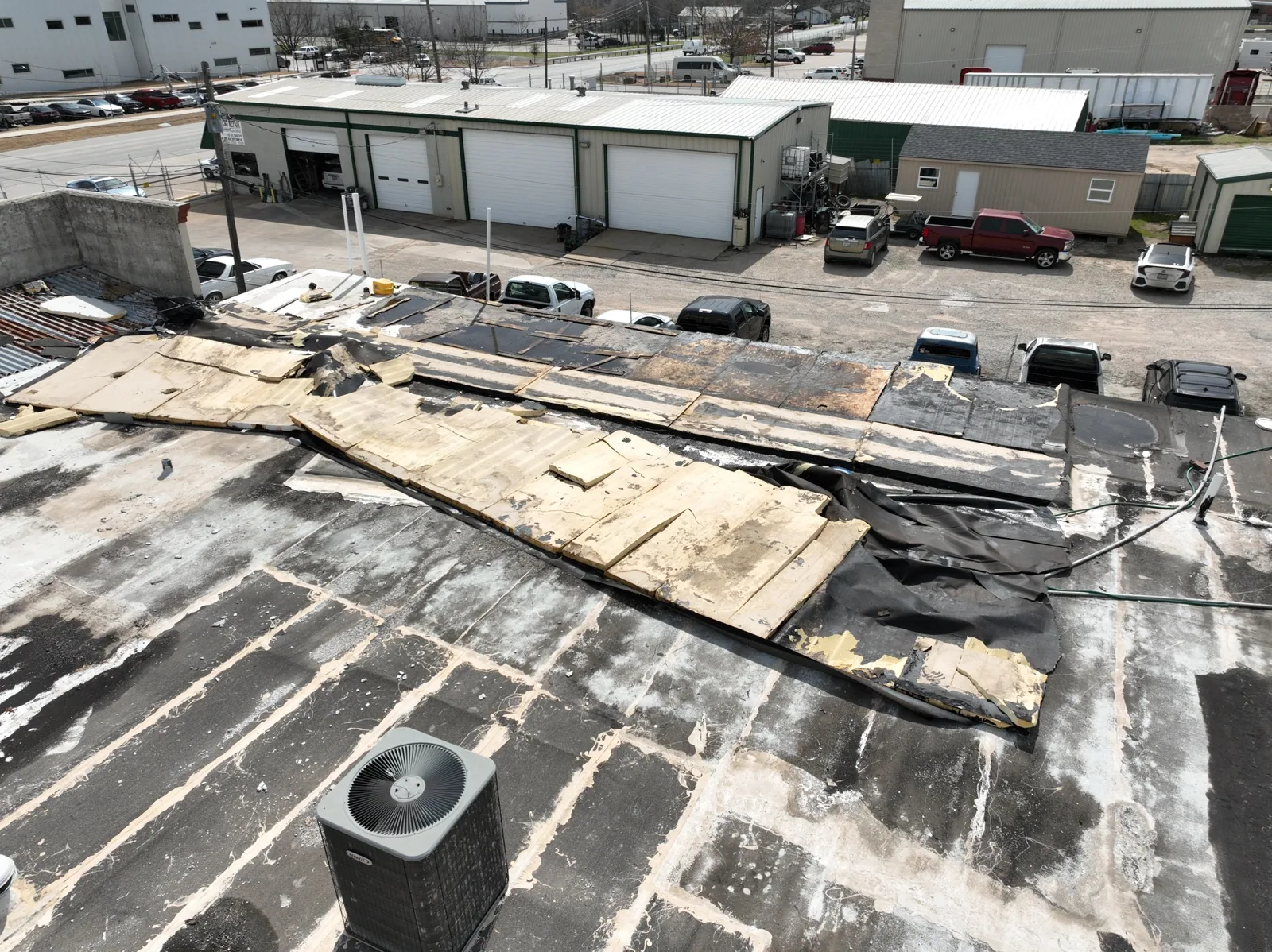
Solar equipment can remain above a roof for years, so the roof condition affects project sequencing. We inspect seams, penetrations, edge securement, drains, insulation and visible deck evidence. If widespread deterioration or moisture is confirmed, installing panels first may complicate later repairs. We identify areas for repair, replacement or further testing before the array blocks access. The report separates observed defects from unverified layers.
A roof plan and solar layout should show equipment zones, walkways, setbacks, conduit routes and attachment points. We compare those items with drains, overflow openings, HVAC units, skylights and existing penetrations. In East Roswell, city transportation plans identify Old Alabama Road and Big Creek Parkway connections as important projects. That local access context can help organize site visits and material staging, while the roof plan sets each work boundary.
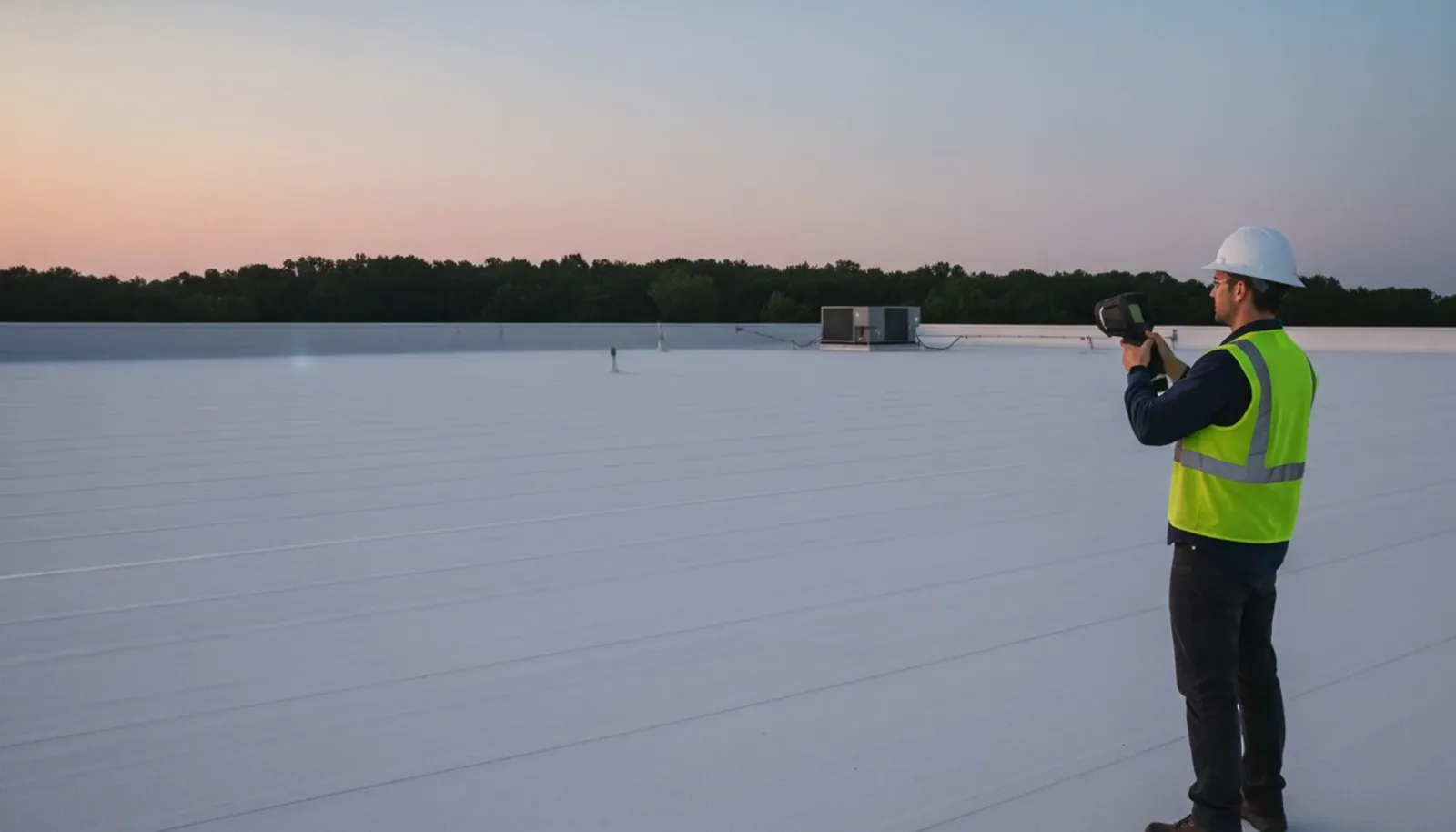
Where moisture is suspected, an infrared moisture survey may help select test locations. Core cuts or other approved checks confirm conditions at specific points. We note what the tests cover and what remains concealed. A hands-on inspection then records the roof details that will be difficult to reach after solar installation.
Coordinate attachment with the assembly
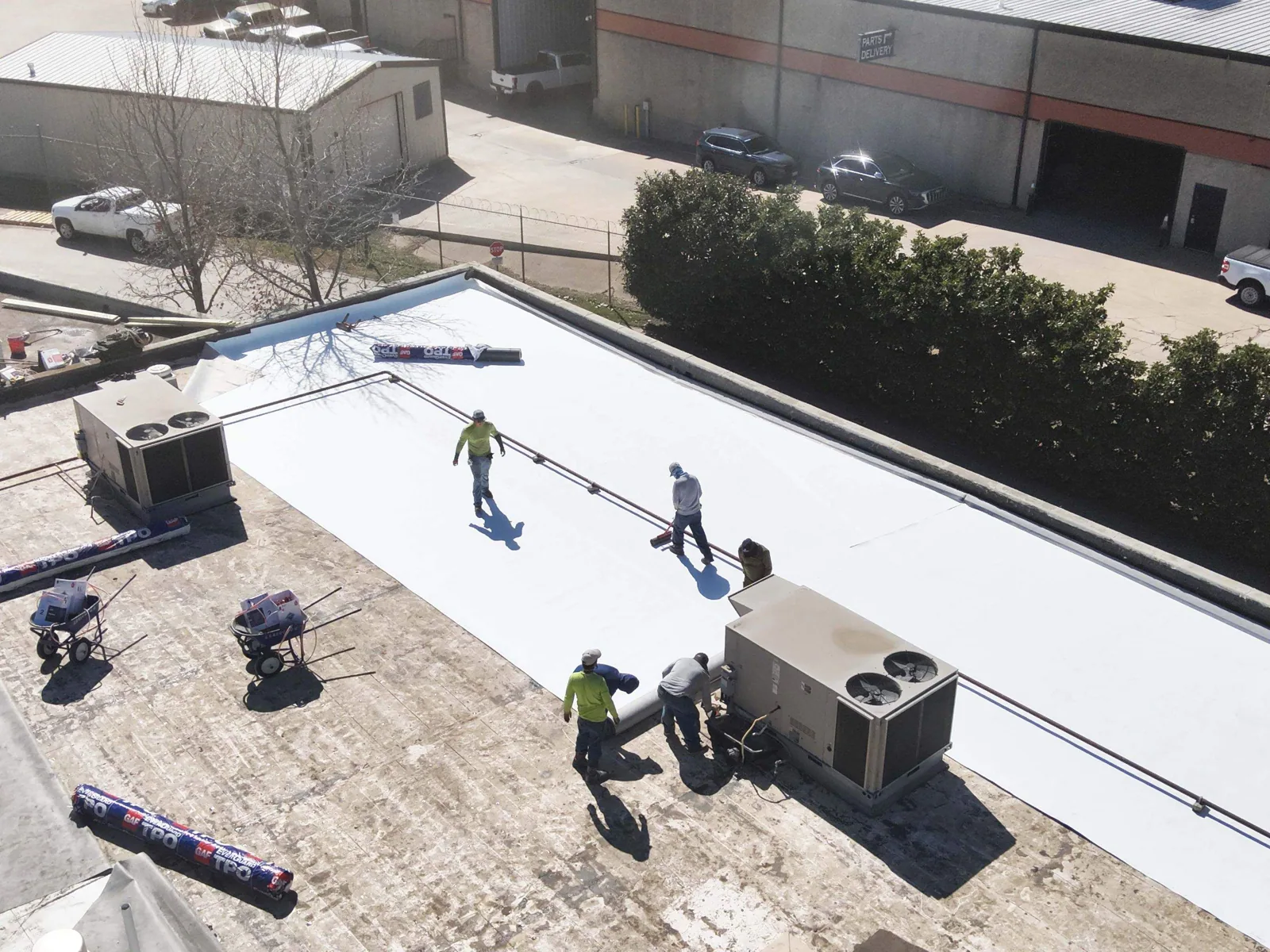
Array attachment must suit the roof deck and assembly. Some designs use mechanical attachments through the roof, while others use ballasted equipment. Each approach changes load paths, membrane details and maintenance access. We review the proposed attachment information and coordinate roof penetrations with the solar contractor and design team. Structural capacity and electrical design require the responsible qualified professionals. Our roofing scope addresses the membrane, flashings and tie-ins.
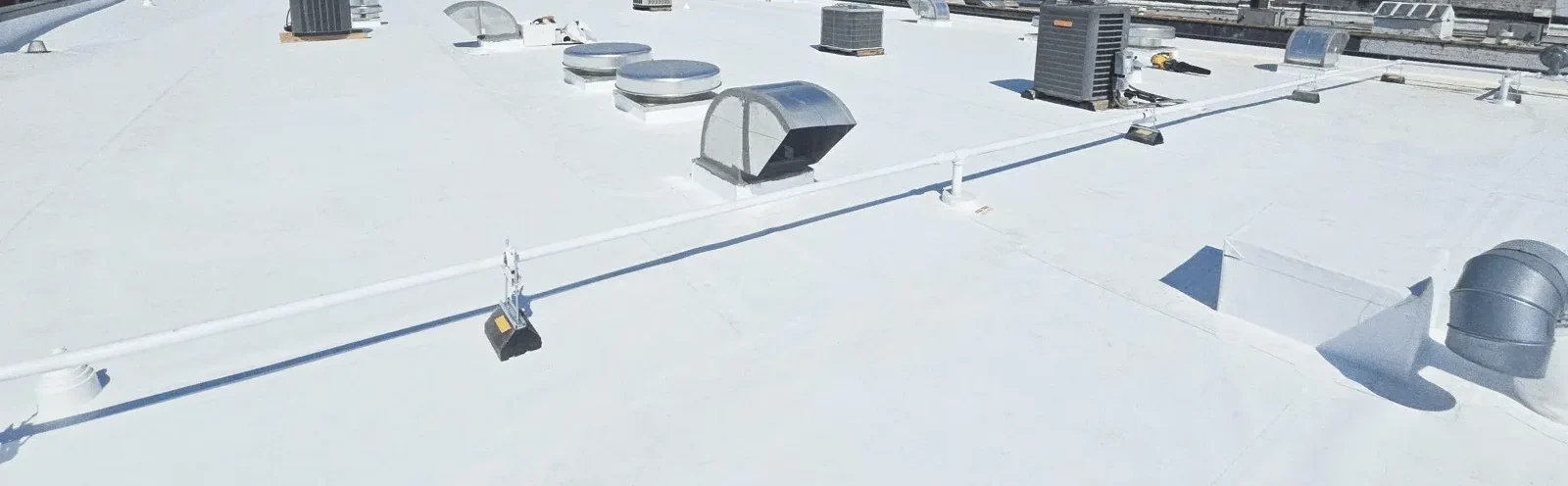
At a penetration, we inspect the sleeve or boot, curb, base flashing, termination and nearby seam. A new opening needs a planned curb or flashing detail compatible with the roof material. If conduit crosses a roof, supports should prevent abrasion and allow drainage below. Unsupported lines can move, sag or trap debris. The final layout should keep drains, overflows, roof hatches and mechanical service clear.
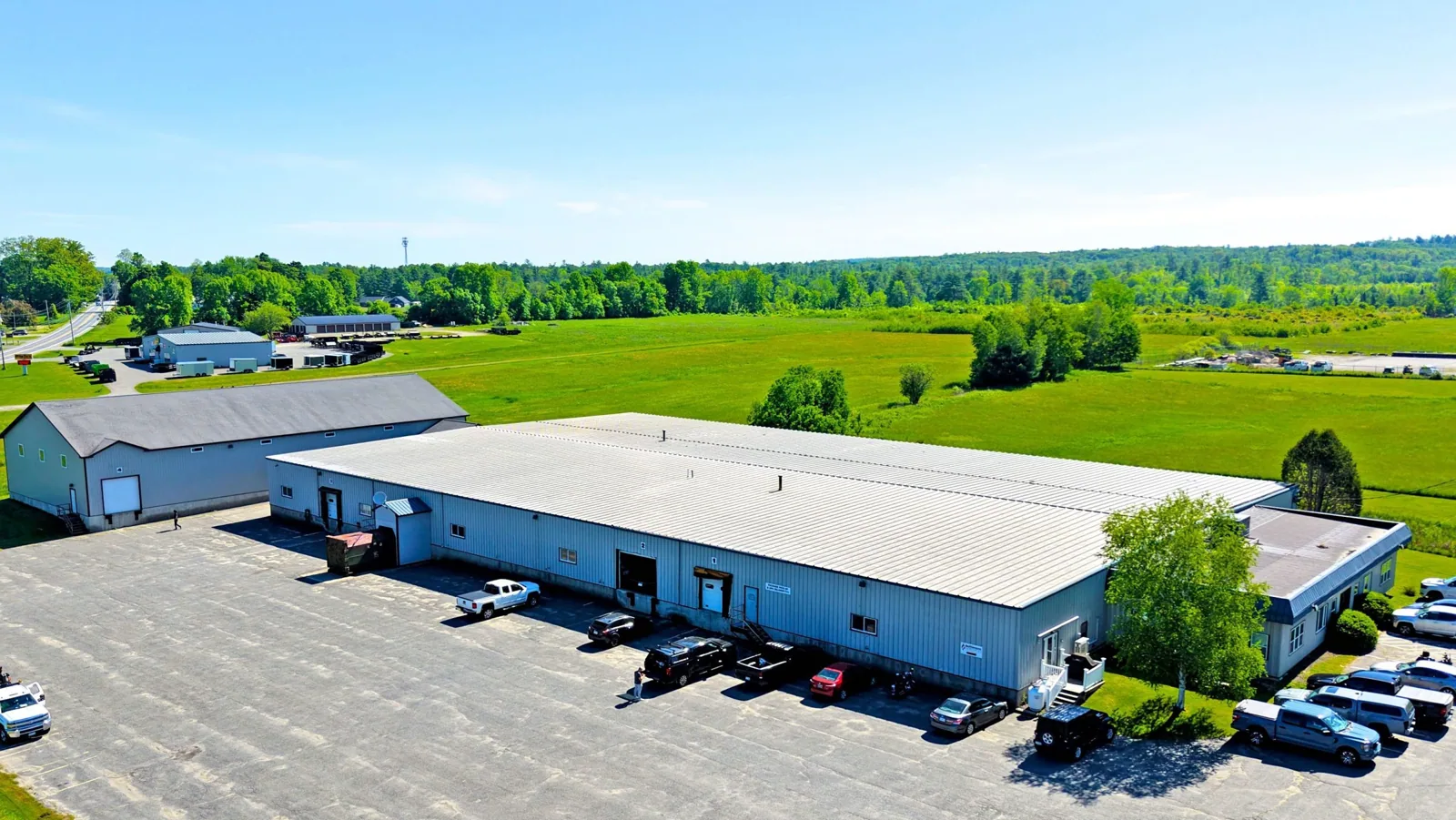
Roof type must be confirmed from drawings and field conditions. A TPO assembly may require a different transition than EPDM, PVC, coated foam or metal. We do not infer the membrane from building use. Roswell's commercial building stock includes offices, retail, medical, school and light industrial properties along GA 400 and Holcomb Bridge Road. Those uses affect access and operations, but not the identity of a roof system.
Sequence roofing and solar work
The roofing and solar scopes need one shared sequence. We define which party removes or lifts panels, who protects the roof, and who reinstalls equipment after repair. The plan identifies delivery routes, crane or lift positions, restricted areas and daily contacts. Where an array is already in place, we map safe access lanes and identify panels that need temporary movement. We do not shift equipment outside the agreed plan.
Work can proceed in roof zones. Before an array row is installed, we complete approved repairs and photograph the substrate and flashing details. We keep open areas dry and secure each day's termination. If concealed deck or insulation damage appears, we document the location and price an allowance for approval. The solar schedule can then account for that decision without treating unseen conditions as part of the base roofing scope.
Roswell's warm-season rainfall makes dry-in planning practical. Rain or a damp surface can prevent secure membrane bonding or coating cure. Severe thunderstorms, damaging wind, hail and tornadoes are tracked across north and central Georgia. We review weather windows and leave roof penetrations protected when work pauses. If a storm interrupts an active project, we inspect the installed protection before solar work resumes.
Keep roof access after panels arrive
An installed array changes how crews reach seams and drains. The layout should preserve walkways to equipment, roof hatches and primary and overflow drains. We check whether panels, conduit or support rails block inspection views or hold leaves and debris. The roof record should identify areas that cannot be inspected directly and how access can be restored.
Drainage needs a direct check after installation. We verify that supports do not dam water or redirect it toward a curb. We look for debris beneath low rails and keep scuppers and overflow paths visible. If a solar contractor changes conduit routes or support locations, the roof details need another check. A maintenance visit can record access limits, visible condition and changes from the approved layout.
Roswell's only GA 400 interchange is at Holcomb Bridge Road, a heavily traveled east-west route. For a multi-building owner, that corridor connects commercial sites whose roof access and operating hours may vary. A multi-site roof program can track separate array plans, inspection dates and repair decisions without treating the portfolio as one assembly.
Keep the roof record with the array plan
Closeout should include the roofing scope, approved array layout, penetration details, photographs and any limits on future access. We mark completed repairs and identify areas that remain concealed beneath equipment. Product and maintenance information should stay with the building records. If solar equipment is removed or relocated later, the roof detail can be checked against the original work.
The combined plan should show who accepts each roofing tie-in and who maintains access after panels are installed. We record the approved attachment details, work sequence and any limits on inspection below the array. That record gives future roofing and solar crews a common reference for repairs, conduit changes or equipment removal.
Request an inspection or solar-ready scope for a named building and roof zone. Send roof plans, membrane and repair records, array drawings, attachment details, access rules and the solar contractor's contact. We will map confirmed repair limits, coordinate penetration details and identify any concealed-condition allowance before array work advances.
Related Roofing Work
Prepare the roof before array work
Send roof plans, repair records, array drawings, attachment details, access rules and the solar contractor's contact. We will identify roof work by zone and document penetration and drainage details.
Questions About Solar-Ready Commercial Roofing
Should the roof be replaced before panels are installed?
We compare observed condition, moisture evidence, planned array access and the roof's remaining service needs. We inspect seams, insulation, drains, flashings and deck evidence, then map confirmed repairs or replacement areas. A roof with localized defects may need limited work. Broad deterioration or concealed damage can change the sequence. We state the evidence and open questions before the array blocks access.
Who seals the solar attachment points?
The project documents should assign each attachment and roof penetration to a responsible party. We coordinate the membrane flashing and tie-in detail with the array layout. The solar contractor coordinates equipment placement and electrical work. Before installation, we confirm the attachment locations, roof material and approved detail. The closeout record identifies completed penetrations and the party responsible for later changes.
Can you repair a roof beneath an existing solar array?
Access determines what can be inspected and repaired. We identify rows or equipment that must be lifted, the party authorized to handle them, and the temporary protection needed. If a concealed roof area cannot be reached, we record that limit. Repairs proceed by agreed zone, with photographs and approved allowances for conditions found after access is opened.
What roof details should the solar plan show?
Provide drains, overflows, curbs, hatches, skylights, penetrations, roof edges, walkways and proposed supports. Include attachment information, conduit routing, panel access lanes and any planned equipment shutdowns. We compare the layout with the verified roof assembly and service requirements. Conflicts can then be resolved before penetrations or panels restrict access.
Commercial Roofing Across Roswell and North Fulton
Roof Repair, Replacement and Maintenance for Every Kind of Commercial Building
From Historic Roswell and Canton Street to the Holcomb Bridge Road corridor, GA 400 and the North Point area, we inspect, repair and replace low-slope and metal roofs on offices, retail centers, medical buildings, schools and warehouses.