
Commercial Roofing in Riverside Road Corridor, Roswell, GA
A split lap near a low roof edge can move water toward a wall before the leak appears inside. We follow the seam, check the termination, and inspect the drain path before setting the repair limit. Roswell's Riverside Road program defines an improvement segment from Riverside Park to Old Alabama Road. The corridor includes plans for a multi-use trail, sidewalks, bike lanes, and intersection changes, so project access belongs in the visit plan alongside roof condition.
Riverside Road also provides a west-side route toward the Chattahoochee River parks and Roswell's central road network. Those facts describe a broad corridor, not a single building or roof type. We confirm site-specific roof entry, staging, and operations before mobilizing. A Roswell commercial roof assessment can put the property within its city context while preserving its own findings.
Trace the lap before opening the field
A seam repair begins with the edge of the lap, not the ceiling mark below it. We check whether the membrane is split, lifted, dirty, brittle, or attached over unsound material. Nearby curbs, walls, penetrations, and drains can redirect water into the same roof zone. We photograph each connected detail and note which part needs removal. The repair boundary reaches stable material that can accept a compatible tie-in.
For Roswell, Atlanta normals put a typical July afternoon near 90 degrees, with repeated summer showers testing seams and drainage. Heat cycling and repeated rain can expose a weak seam or a flashing transition that looked serviceable during dry weather. We look for surface opening, moisture in insulation, and standing water after precipitation. If the lap is intact but water still remains, slope or a blocked outlet may need separate attention. A seam failure inspection can define that detail separately from nearby drainage work.
Roswell's inland north Georgia setting brings summer heat, humidity, heavy rain, and episodic severe storms. A weather report alone does not establish damage. We document what is visible at the property, including lifted edge metal, punctures, or opened seams, and compare it with any existing repair history. That keeps a storm concern from being mistaken for a pre-existing condition without evidence.
Plan around corridor improvements
Riverside Road's planned project segment runs from Riverside Park toward Old Alabama Road. Its listed elements include a trail, sidewalks, bike lanes, and intersection improvements. Current work timing can affect how a property arranges deliveries or visitor movement, but no route schedule should be assumed. We confirm the property contact's current instructions, material staging, roof entry, and pedestrian separation before work begins.
A roof scope needs an access plan as specific as its membrane details. We record where the crew enters, how materials reach the roof, whether a lift is permitted, which doors remain active, and who can release roof access. If work sits above a public-facing entrance or parking route, the owner can identify hours that limit disruption. The visit notes do not treat corridor improvements as a property closure.
The route connects toward Roswell's central road network and the Chattahoochee River parks. For a commercial property, that setting may make safe material movement a planning item. We keep it separate from roof diagnosis. A roof visit on Old Alabama Road can coordinate the neighboring corridor without treating two properties as one work zone.
Match repairs to the existing membrane
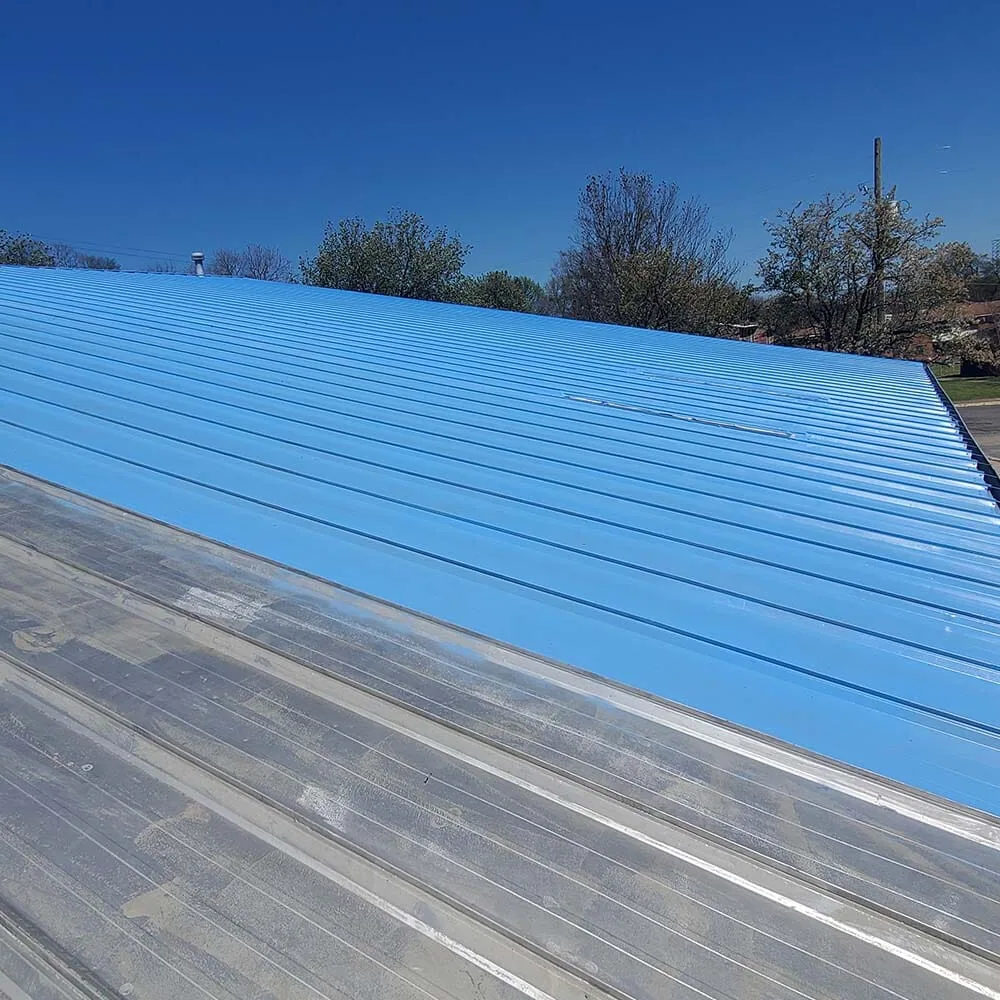
Seam material must match the installed assembly. TPO and PVC may accept a welded repair after cleaning and preparation. EPDM, modified bitumen, built-up roofs, metal, and coatings require different products and detail methods. We identify the surface from roof records and field evidence, then inspect the lap and adjacent membrane for movement. If there is no sound tie-in, a larger repair may be needed.
Moist insulation changes the amount of material that must come out. A small opening can confirm whether the substrate is dry and stable. We photograph concealed layers, record the area opened, and restore the roof before leaving it exposed. The proposal distinguishes confirmed removal from any allowance that depends on a test cut or hidden deck condition. A localized repair scope should name the affected zones and show the material transition at each edge.
Repeated seam separation across several areas can point to an assembly issue rather than one isolated defect. We compare the repair cost drivers with recovery or replacement, considering roof height, drainage, deck, insulation, and penetrations. A replacement option should describe tie-ins at walls and curbs as well as the field membrane. The owner can then compare immediate correction with a broader renewal plan.
Protect a repair through changing weather
Rain can interrupt seam preparation, welding, adhesive work, or an exposed opening. We set the daily work boundary around what can be made watertight and identify the cover needed if conditions shift. A forecast change may delay permanent work, but temporary protection and the repair limit remain clear. The sequence should account for the roof zone and the building below it.
Georgia's mandatory construction and energy codes set the compliance frame for permitted work. Roswell's Building Division administers local construction permitting and directs applicants to state codes. When a repair becomes a larger roof project, we identify the existing assembly and proposed scope early enough for the owner to confirm applicable approvals. We do not assume a permit path from a road project or neighborhood label.
Cost and timing depend on seam length, material compatibility, substrate condition, number of transitions, access, staging, and weather protection. If an active leak needs immediate control, we separate that work from a later replacement comparison. A leak tracing and repair visit can follow evidence from the interior report to the roof while keeping concealed conditions visible in the approval record.
Record where the tie-in ends
Closeout photographs show the repaired lap, adjacent flashing, drain path, and nearby membrane condition. We label the roof zone and note the material used, removal extent, and any excluded condition. If an opening exposed wet insulation or a compromised deck, that finding belongs in the record before the roof is closed. The manager can compare those details on a later visit instead of relying on a general repair description.
Planned corridor work can evolve, so current access instructions should stay with the property record. A new trail segment or intersection project may change vehicle or pedestrian patterns. The roof inspection history remains tied to the building's roof zones and repaired details. A maintenance route can revisit the seam and drainage findings after rain.
Request an inspection for a named roof zone on the Riverside Road corridor. Share roof plans, leak dates, repair invoices, access rules, and any known project timing. We will map the defect, document the tie-in, and show which decision depends on concealed material before the work expands.
Related Roofing Work
Scope a Riverside Road roof repair
Send the roof plan, named leak zone, prior repair records, access instructions, and known corridor work timing. We will document the seam, drainage path, and approved repair boundary.
Questions About Riverside Road Corridor
Could Riverside Road project work change our roof visit date?
Only if the property confirms an access or staging conflict. Roswell's listed improvement segment includes trail, sidewalk, bike-lane, and intersection work, but those plans do not tell us a specific closure date. Share current access instructions, and we will plan material movement and pedestrian protection around the building's actual conditions.
How do you know whether a seam can be patched?
We identify the membrane, prepare a test area if needed, and inspect whether the surrounding lap is clean, flexible, and attached to sound material. A patch needs a stable tie-in. Wet insulation or repeated separation may require a larger opening, which we document and price for approval before continuing.
Does heavy rain mean the roof needs a new system?
Rain exposes drainage and flashing weaknesses, but it does not select a replacement system. We inspect drains, seams, wall transitions, and moisture extent. The recommendation distinguishes a limited repair from broader renewal based on confirmed assembly condition, deck support, and how many roof zones show related failure.
What should be included in the repair closeout?
Keep photographs of the lap, nearby transitions, and final repair edge with the roof-zone label, material used, and work extent. Record any concealed condition that was opened and any area excluded from the approved work. That gives the next inspection a useful baseline for checking movement or water entry.
Commercial Roofing Across Roswell and North Fulton
Roof Repair, Replacement and Maintenance for Every Kind of Commercial Building
From Historic Roswell and Canton Street to the Holcomb Bridge Road corridor, GA 400 and the North Point area, we inspect, repair and replace low-slope and metal roofs on offices, retail centers, medical buildings, schools and warehouses.